What Is a Palatal Expander?
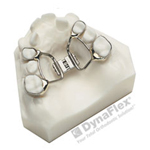
A palatal expander is a custom orthodontic appliance that fits across the roof of your mouth. It works by applying gentle, steady pressure to the upper jaw, gradually widening it over time. This creates more space for teeth to erupt properly and corrects bite problems caused by a narrow upper arch.
In children and teens, the upper jaw is made up of two bones joined by a flexible growth plate called the mid-palatal suture. This suture remains open and responsive until the mid-to-late teens — making it the ideal window for expansion. As the expander slowly separates the two halves of the palate, the body naturally fills in the gap with new bone, making the result permanent.
At Strouse Orthodontics, every expander is custom-made to fit your child's anatomy for maximum comfort and effectiveness. And no painful separators!
How Does It Work?
The expander is bonded to the upper back molars using dental cement. In the center of the appliance is a small hole called a keyway. A special key is used to make tiny, controlled turns — each turn expands the device by a fraction of a millimeter.
Who Needs a Palatal Expander?
Dr. Strouse may recommend a palatal expander for children or teens who have:
- Crossbite — When upper back teeth sit inside the lower teeth instead of outside them
- Crowding — A narrow jaw that doesn't leave enough room for permanent teeth to come in properly
- Impacted teeth — Teeth that are blocked from erupting and need more space to come in on their own
- A narrow upper arch — A structurally narrow palate that affects bite function or breathing
- Mouth breathing or nasal airway concerns — Widening the palate also widens the floor of the nasal cavity, which can improve airflow
- Phase I treatment needs — Expanders are often part of early orthodontic treatment to set the foundation for braces or Invisalign later
The ideal treatment window is between ages 7 and 14, before the mid-palatal suture permanently fuses. The American Association of Orthodontists recommends an orthodontic evaluation by age 7 so Dr. Strouse can monitor development and recommend the right time to begin.
Adjusting the palatal expander
You can also download these instructions in a printable PDF document.
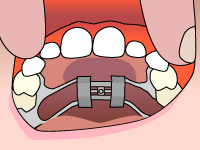
Step 1
In a well-lit area, tip the patient’s head back.
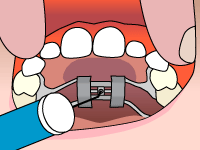
Step 2
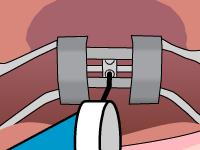
Place the key in the hole until it is firmly in place.
Step 3
Push the key toward the back of the mouth. You will notice the fender will rotate and the new hole will appear. The rotation stops when the key meets the back of the expander.
Step 4
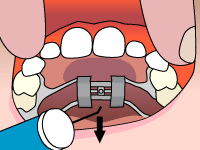
Press back and down toward the tongue to remove the key. The next hole for insertion of the key should now be visible.
Living with a Palatal Expander
Eating Stick to soft foods for the first few days. Avoid sticky, hard, or chewy foods throughout treatment — including gum, caramel, hard candies, raw carrots, popcorn, and ice. Good options include pasta, yogurt, eggs, soft bread, cooked vegetables, and bananas.
Cleaning Rinse with water after every meal. Brush gently around the bands and under the appliance twice daily. A water flosser (such as a Waterpik) is especially effective for cleaning under the expander. A fluoride mouthwash can help protect enamel around the bands.
Speech A slight lisp or change in speech is common for the first 1–2 weeks. This is temporary. Encourage your child to talk, read aloud, or practice tongue twisters — the more they speak, the faster the tongue adjusts.
Discomfort Mild pressure or tightness after each turn is normal and typically fades within an hour or two. Children's ibuprofen or acetaminophen (per package directions) can help with temporary discomfort.
The gap between the front teeth A space forming between the upper front teeth means the expander is working. This gap will close on its own once turning stops — no additional treatment is needed to close it.
Activities Your child can participate fully in sports and activities. A mouthguard is recommended for contact sports.
When to call us Contact our office if the appliance feels loose, a band comes unglued, the key is lost, or if you have any concerns about the turning process. We're always happy to help.
Frequently Asked Questions(FAQ's)
At what age should my child get a palatal expander? The ideal window is between ages 7 and 14, while the mid-palatal suture is still flexible and open. Most expander treatment is done around ages 8–11, though teenagers can also benefit. The American Association of Orthodontists recommends an initial evaluation by age 7 so Dr. Strouse can monitor development and plan ahead.
Is a palatal expander painful? Most children describe a feeling of mild pressure or tightness right after each turn, which fades within 30 minutes to a couple of hours. It is rarely described as painful. The first few days after placement are usually the biggest adjustment as the tongue gets used to the appliance. Children's ibuprofen or acetaminophen can help if needed.
How long does treatment take? The active turning phase typically lasts 4–8 weeks. After that, the expander stays in place for an additional 4–6 months during the retention phase. Total treatment time from placement to removal is usually 6–12 months.
Will a palatal expander affect my child's speech? Yes, temporarily. A slight lisp with certain sounds is common for the first 1–2 weeks as the tongue adapts to the appliance. This almost always resolves on its own. Encourage your child to speak normally — reading aloud and regular conversation speed up the adjustment.
Is the gap forming between my child's front teeth normal? Yes, completely. As the palate expands, the two upper front teeth often move apart, creating a noticeable gap. This is a sign the expander is working. The gap closes naturally on its own once the turning phase ends and does not require any separate treatment.
Can adults get a palatal expander? Traditional palatal expanders work best in children and teens while the mid-palatal suture is still open. In adults, the suture has fused and the bones cannot be separated with a standard expander. Adults who need jaw widening may be candidates for a procedure called Surgically Assisted Rapid Palatal Expansion (SARPE), which is performed in coordination with an oral surgeon. Dr. Strouse can evaluate whether this is appropriate.
What foods should my child avoid? Avoid anything sticky, hard, or chewy — including gum, caramel, taffy, gummy candies, hard pretzels, popcorn, ice, and whole raw apples or carrots. These can loosen the bands or damage the appliance. Soft foods are best throughout treatment.
How do I clean around the expander? Rinse with water after every meal. Brush gently around the bands and underneath the appliance twice daily with a soft-bristled toothbrush. A water flosser is the most effective way to flush food and debris from under the expander. A fluoride mouthwash can help protect enamel near the bands.
Will my child still need braces after the expander? In most cases, yes. The expander widens the jaw but does not align individual teeth. Most patients move into Phase II treatment — braces or Invisalign — after the expander is removed to complete their smile. In some cases, expander treatment simplifies Phase II and reduces overall treatment time.
What happens if the key is lost or the expander comes loose? Call our office as soon as possible. A loose band can usually be re-cemented in a short visit. We can provide a replacement key if yours is lost. In the meantime, soft orthodontic wax (available at most pharmacies) can help if the appliance is causing irritation. Do not try to bend or reattach the expander yourself.
Spring Hill: (352) 688-0331 Lecanto: (352) 527-9927
Does insurance cover palatal expanders? Many orthodontic insurance plans include coverage for palatal expanders, especially for medically necessary cases like crossbite correction. Coverage varies by plan. Our team will help verify your benefits before treatment begins. Flexible payment plans and financing options are also available. Visit our Financial Information page to learn more.