According to Preferred Consumer, it's estimated that 50 percent of people have teeth that are crooked, not aligned properly, or irregular. Fortunately today, orthodontics has advanced to the point where corrective devices, such as braces and retainers, are less obvious, more comfortable, and can be worn for shorter periods of time.
So, with that being said, how do you know if braces are right for you? Typically Dr. Donald Wexler will be able to point out any issues with your teeth at your regular six-month cleanings and recommend you to an orthodontist. But here are some other things to keep in mind when deciding whether or not braces could be in your future:
Crooked Teeth
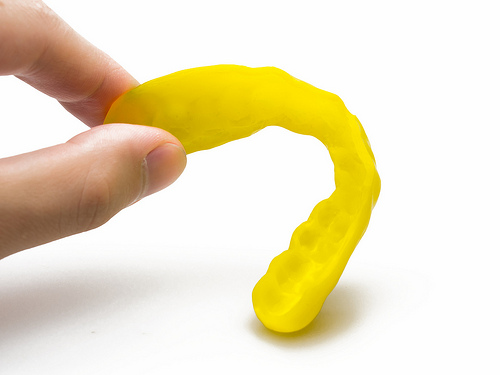
As children grow, so do their teeth. And more often than not, certain teeth will grow in crooked. This isn't uncommon, as the majority of children will require some sort of teeth correction, whether that’s braces or retainers. Retainers are custom-made devices that either work to hold teeth in place or correct tooth alignment. They're often worn all day, aside from meals, at the start of the treatment period and then eventually are rolled back so they're just worn at night. Braces on the other hand are worn for at least a year and work to help straighten or position teeth.
Overbite or Underbite
The other main oral issue that orthodontics helps correct is uneven alignment, such as an underbite or an overbite. You might hear Dr. Donald Wexler refer to this as a "malocclusion," which means "bad bite." Braces can help rearrange your alignment so an overbite or underbite is less of a problem. Typically after the braces come off for this sort of treatment, patients need to wear a retainer from Wexler Orthodontics to finish the treatment.
While braces are typically associated with dental issues in children, more adults are wearing the devices as well. According to USA Today, about one in every five braces wearers are adults; a sign that it's never too late to correct any oral issues. Part of this is due to the technological advancements in orthodontics. For instance, new braces feel much better and come in a variety of styles — including clear — so they're far less obvious. Plus, the wires on braces are now made from advanced metals, which are stronger and lighter, so they get the job done much more efficiently. With so many people wearing braces these days (according to the Pennsylvania Dental Association, about four million people in the US wear braces at any given time and many more have worn them at some time in their lives), nicknames like "metal mouth" and "brace face" are almost a thing of the past. What's more, is that insurance plans are increasingly covering orthodontic treatment, making braces a much more feasible option for families on a budget.
When weighing whether or not braces are in your future, it's important to study all of your options about the styles of braces and what treatment option is best for you. Also be sure to contact your insurance provider to see what is covered and what will have to be paid out of pocket. It might take a few years of treatment, but braces can give you that winning smile for the rest of your life. Call our Spring Hill or Lecanto, FL office with any questions you might have!