What are Self-Ligating Braces

October 14th, 2024

When it comes to orthodontic treatment, traditional braces aren’t the only option. A more modern and efficient alternative known as self-ligating braces has become increasingly popular for patients seeking a faster, more comfortable experience. But what exactly are self-ligating braces, and how do they differ from the traditional ones you may see with colors?

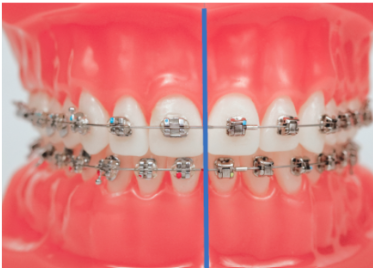
Comparison of traditional brackets with self-ligating brackets. Note the self-ligating brackets have small doors to secure the wire to the brackets. Rubber ties secure the wire to the brackets with traditional brackets.

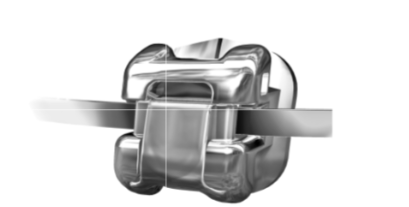
Self-ligating braces are similar to traditional braces in that they use brackets and wires to move the teeth into their correct positions. However, unlike traditional braces, which use elastic ties or metal ties to hold the archwire in place, self-ligating braces have a built-in mechanism such as a door in each bracket that secures the wire. This system reduces friction and allows the wire to slide more freely, making adjustments smoother and often more comfortable for the patient.

Self Ligating bracket with a door

One of the main benefits of self-ligating braces is that they tend to require fewer office visits. Since there are no elastics to change or adjust, patients typically spend less time in the orthodontist’s chair. The reduced friction also means that tooth movement may be more efficient, which can shorten the overall treatment time and reduce the need for extractions in some cases. Another benefit is that without the colored elastics, oral hygiene is improved, as the color ties can be a trap for food and plaque. Additionally, patients may experience less discomfort compared to traditional braces, as there is less pressure on the teeth during adjustments.

Whether you’re considering self-ligating braces for their efficiency, comfort, or aesthetics, they can be a great option for achieving a beautiful, healthy smile. At Strouse Orthodontics, we’ll help you determine whether self-ligating braces are the right fit for your orthodontic needs. Schedule your Free Consultation with the Best Orthodontist in Hernando and Citrus County Today!

What is a Crossbite?

September 23rd, 2024

What is a Crossbite? Causes, Effects, and Treatment
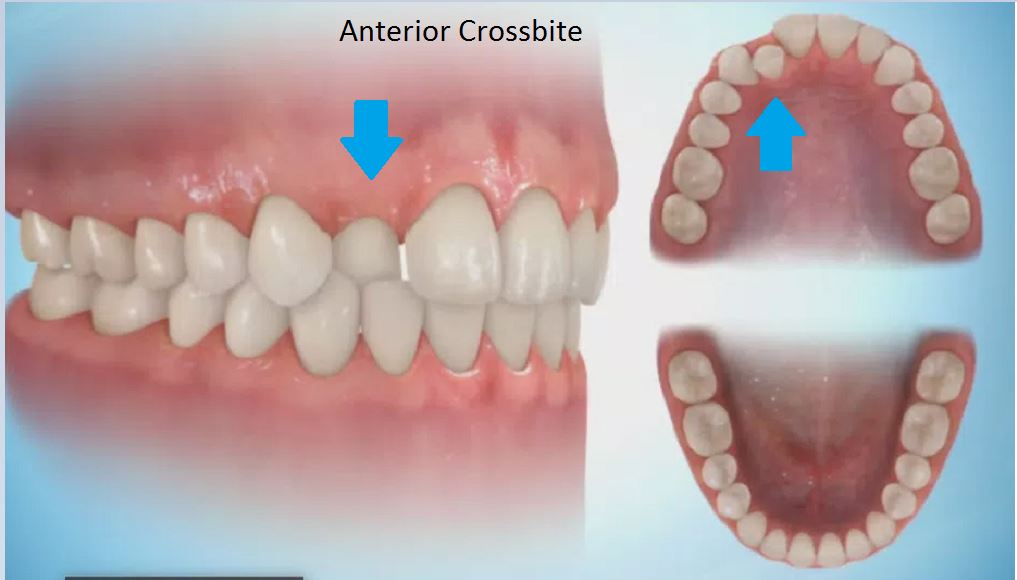
When it comes to bite misalignment, crossbites are one of the most common, yet often overlooked, orthodontic issues. A crossbite occurs when the upper teeth bite inside the lower teeth instead of outside, as they should. This can happen with a single tooth or a group of teeth, and it can affect the front (anterior crossbite) or the back (posterior crossbite) of the mouth.

While it may not seem like a big deal at first, untreated crossbites can lead to serious oral health problems, including jaw pain, tooth wear, and even gum disease. Thankfully, crossbites are treatable with the right orthodontic care. In this post, we’ll explore what causes a crossbite, its effects on your health, and the best treatments available.

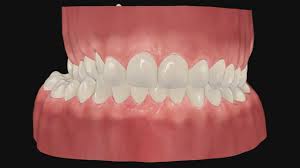
Example of a Posterior Crossbite. The crossbite is visible here on the left of this image(the patients right side) when you look at the back teeth.

Example of an Anterior Crossbite. The crossbite is visible here on the left side(the patients right side) with one single front tooth.

What Causes a Crossbite?
Several factors can contribute to the development of a crossbite. These include:

Genetics: Much like other dental issues, crossbites can run in families. If parents or siblings have a crossbite, there's a higher likelihood that children will develop one too.

Delayed or Abnormal Tooth Eruption: Sometimes, baby teeth fall out too early, or adult teeth take longer than expected to emerge. This can lead to misalignment in the bite.

Thumb Sucking or Prolonged Use of Pacifiers: Habits such as thumb sucking or extended use of pacifiers beyond infancy can alter the natural position of teeth and lead to crossbites.

Mouth Breathing: Chronic mouth breathing due to allergies or other nasal obstructions can affect jaw development, leading to bite misalignment.

Misaligned Jaw Growth: Uneven or improper jaw growth can result in an upper or lower jaw that is larger or smaller than the other, contributing to a crossbite.

Effects of a Crossbite on Oral Health
While a crossbite may not cause immediate discomfort, it can lead to several long-term issues that affect both dental and overall health:

Jaw Pain and TMJ Disorders: When the teeth do not align properly, it places extra stress on the jaw muscles, leading to jaw pain and, in severe cases, temporomandibular joint (TMJ) disorders.

Tooth Wear and Damage: Crossbites cause abnormal pressure on certain teeth, leading to uneven wear and, eventually, tooth damage. Over time, this can result in broken or chipped teeth.

Gum Recession: Crossbites can push certain teeth outward or inward in unnatural ways, which can lead to gum recession and even gum disease over time. This increases the risk of tooth loss.

Difficulty Chewing and Speaking: Misaligned teeth can make it harder to chew food properly or speak clearly, affecting daily life and self-confidence.

Facial Asymmetry: In severe cases, an untreated crossbite can cause the facial muscles to develop unevenly, leading to noticeable facial asymmetry.

How is a Crossbite Treated?
The good news is that crossbites are highly treatable with the right orthodontic care. Depending on the severity and the patient’s age, there are several options available:

Braces: Traditional braces are often the most effective treatment for correcting a crossbite, especially in younger patients. Braces apply pressure to gradually shift the teeth into the correct position.

Clear Aligners (Invisalign): For adults or older teens seeking a more discreet option, clear aligners like Invisalign can be used to treat mild to moderate crossbites. These custom-made trays gradually move the teeth into place.

Palatal Expanders: If a child’s upper jaw is too narrow, a palatal expander can be used to widen the upper arch and correct the bite. This treatment is typically recommended for younger patients since the bones are still growing and more flexible.

Surgical Options: In severe cases where the crossbite is due to jaw misalignment, orthognathic surgery may be needed to reposition the jaw and correct the bite. This is typically only required in extreme cases.

Elastics or Rubber Bands: Sometimes, rubber bands are used alongside braces or clear aligners to improve bite alignment and ensure the upper and lower teeth fit together properly.

Why See an Orthodontist for Crossbite Treatment?
While general dentists can offer some orthodontic treatments, seeing a specialist like an orthodontist ensures that your crossbite will be addressed with the highest level of care and expertise. Orthodontists have additional years of specialized training that equip them to diagnose and treat bite issues like crossbites.

At Strouse Orthodontics, we have extensive experience in treating crossbites in both children and adults. Early treatment can help prevent more severe problems down the road, so don’t hesitate to schedule a consultation. We’ll develop a customized treatment plan to give you a healthy, well-aligned smile.

Conclusion
A crossbite is more than just a cosmetic concern—it can impact your dental health and overall quality of life. If you or your child has a crossbite, it’s important to seek treatment early to avoid complications. Whether you need braces, clear aligners, or another orthodontic solution, Strouse Orthodontics is here to help. Contact us today to learn more about your options and start your journey toward a healthy, beautiful smile.

How Long Do Retainers Last?

July 8th, 2024

Retention is the most important part of the orthodontic journey. Once treatment is complete, retainers help maintain the position of your teeth after braces or clear aligners. They help make sure your smile stays straight forever! However, the retainers themselves do not last forever and occasionally need to be replaced.

What Are Essix Retainers?
Essix retainers are clear, plastic retainers that fit snugly over your teeth. They are custom-made to ensure a perfect fit and are designed to maintain your teeth's position after braces or other orthodontic treatments.

Lifespan of Essix Retainers
The lifespan of retainers depends on several factors, most importantly how well they are taken care of. For most patients, retainers last somewhere between 2-8 years, however can range based on your individual habits. It is somewhat similar to tires on a car; they do need to be replaced occasionally, and how quickly they wear depends on several factors including how they are handled, road conditions, aggressive driving, hard braking, etc.

Factors

Habits: Patients that clench and grind their teeth, find that retainers will wear down faster than patients that do not.
Care and Maintenance: Proper cleaning, storage and handling significantly impact how long your Essix retainer will last.
Dental Changes: Changes in your dental structure(Fillings, crowns etc) may necessitate a new retainer.

How to Care for Your Essix Retainer
Proper care is essential to maximize the lifespan of your Essix retainer. Here are some tips to keep it in optimal condition:

  1. Cleaning
    Daily Cleaning: Clean your retainer daily using a soft toothbrush and mild, non-abrasive soap. Avoid toothpaste, as it can be abrasive and cause scratches.
    Deep Cleaning: Periodically, soak your retainer in a retainer cleaning solution or a mixture of water and a bit of baking soda to keep it fresh and free of bacteria.
  2. Handling
    Avoid Heat: Do not expose your retainer to hot water, direct sunlight, or heat sources, as it can warp the plastic.
    Storage: Always store your retainer in its protective case when not in use to prevent damage and loss. Avoid napkins for storage as they will end up in the trash!
  3. Usage
    Gentle Removal: Remove your retainer gently to avoid cracking or bending it. Use both hands to pull it out evenly. Avoid pulling the retainer out from the front.
    Avoid Certain Foods: Refrain from eating or drinking anything other than water while wearing your retainer to prevent staining and damage.

    Signs It’s Time to Replace Your Essix Retainer
    Despite your best efforts, Essix retainers will eventually need to be replaced. Here are some signs that it’s time for a new one:

Cracks or Breaks: Any visible damage means the retainer is no longer effective.
Loss of Fit: If your retainer feels loose or doesn’t fit as snugly as it used to, it’s time for a replacement.
Discoloration or Odor: Persistent discoloration or an unpleasant odor, even after cleaning, indicates it’s time for a new retainer.
Wear and Tear: General wear over time will reduce the retainer’s effectiveness in maintaining your teeth’s position.

Conclusion
Essix retainers are a fantastic option for maintaining your smile post-treatment, but they do require care and eventual replacement. By following the care tips outlined above, you can maximize the lifespan of your retainer and keep your smile looking its best.

Magic Dental Appliances

June 17th, 2024

A patient recently presented to my office for a consultation who informed me their dentist advised them to use a special mouthpiece in order to avoid the need for braces(orthodontics) with the premise of guiding jaw growth and alignment of the jaw.

As a practitioner that is very current with the current orthodontic literature and trends in the industry and a member of numerous research study groups, it struck my attention when there was an orthodontic therapy I was not familiar with.

Upon looking in to this further, consulting the literature along with various orthodontic colleagues, it appears that the Healthy Start and various similar appliances are making the rounds for pediatric dentists and general dentists. This is true not just in our communities in Hernando and Citrus County Florida, but throughout the country. Could there be special mouthpieces that Orthodontic Specialists who do orthodontics exclusively, have been to ADA Certified Residency programs, and countless hours of Continuing Education are not familiar with that general dentists have solved?

On the Healthy Start website for instance, there is no literature or research to support the claims made of the system and the before and after photos on the website are from different patients. There is no explanation on the website or anywhere for that matter how the appliance works. Sensationalist marketing is used with claims that Math, Science and Spelling will approve with this mouthpiece, while Reading and Writing are not affected. They also claim that ADHD will be eliminated, the need for braces will be eliminated and the Temporomandibular Joint function will not only be improved, it will eliminate any disfunction 80% of the time. Additionally, the appliance can even cure Sleep Disordered Breathing(SDB), bedwetting, irritability and fatigue all while improving school performance!!

These types of treatment are advertised as a way to "prevent" children from ever needing orthodontics. While these appliances are unlikely to do any harm, and may even provide some mild benefit to early tooth alignment, they are mostly sold to general dentists and pediatric dentists who do not have training or knowledge in orthodontics. As the prevalence of cavities decreases, offices are often looking for additional revenue sources. Prefabricated mouthpieces are an easy way for dental and pediatric offices to present something to parents of young children with claims that they need that will eliminate the need for braces or any orthodontic treatment. In reality, it is likely that a child will still need orthodontics in the future and any type of orthodontic treatment that is completed by a practitioner without a firm understanding of tooth movement, growth and development can potentially do more harm than good, all while using the families insurance benefits. Additionally, while it is possible these types of appliances can provide some additional space for adult teeth, they do not perform bite correction. Given that these kids are unlikely to see an orthodontist, bite issues will likely go undiagnosed, and the patient will have more wear and tear to their teeth, and issues such as gum recession throughout life.

In short, when it comes to Orthodontics, tooth movement, growth and development, it is important to seek the advice of an expert. At Strouse Orthodontics, in Spring Hill and Lecanto, Florida as well as most orthodontic offices, Orthodontic Specialists perform complimentary initial exams and an Orthodontist can complete a proper comprehensive evaluation and determine a treatment plan best for your child in the long term. When you hear a marketing pitch of a new magic appliance that will cure Sleep Apnea, eliminate ADHD and improve Math scores(but won't be able to improve Reading scores), it is probably best to consult with an expert and avoid potential damage to the teeth and surrounding structures, not to mention the additional time and money involved.

Orthodontics for Adults: It’s Never Too Late for a Beautiful Smile

June 13th, 2024

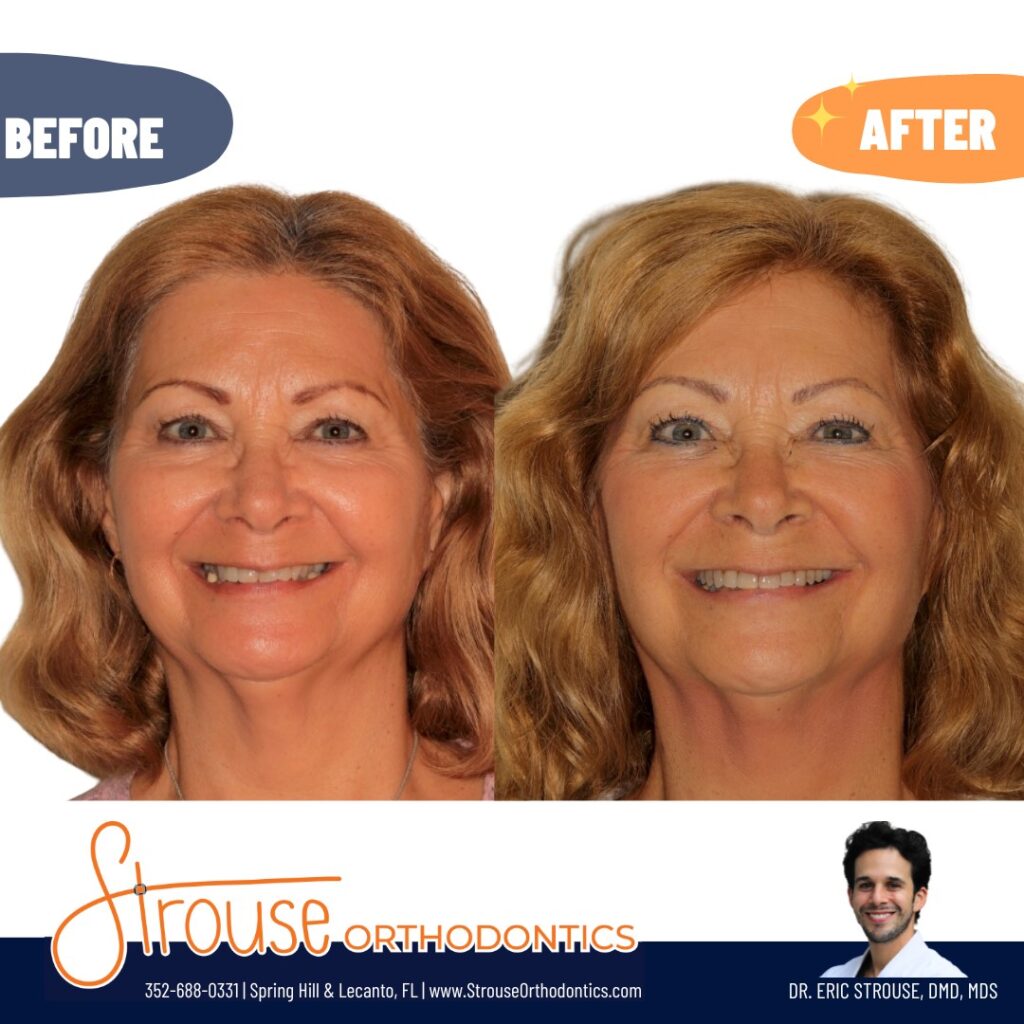
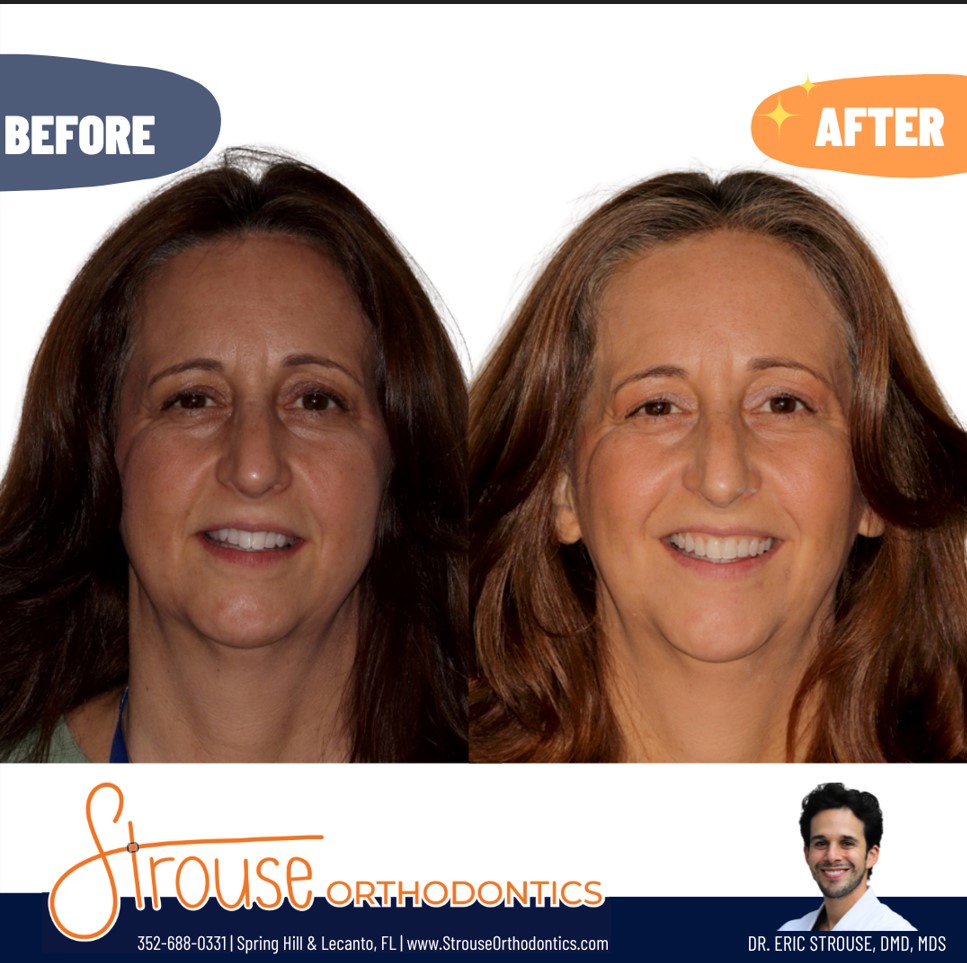
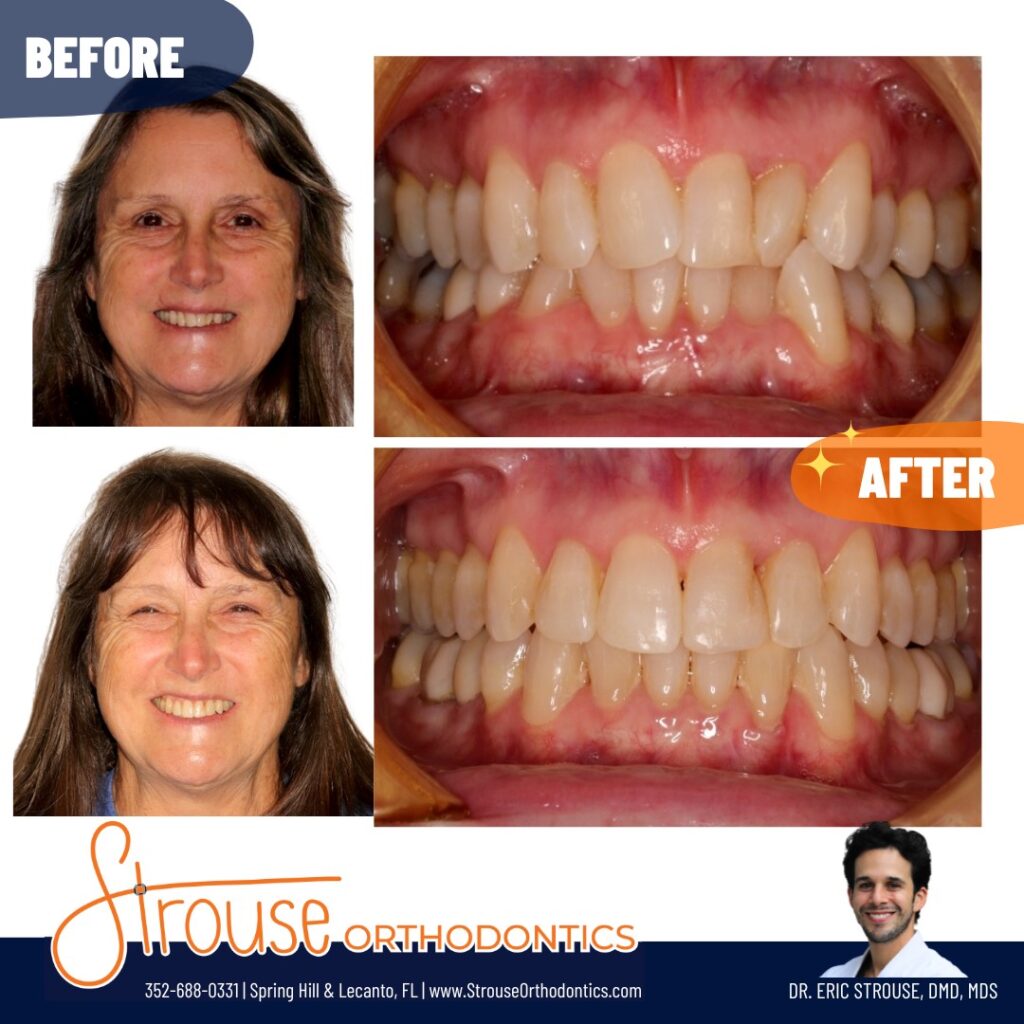
At Strouse Orthodontics, we believe that everyone deserves a beautiful, confident smile, regardless of age. While many people associate braces with teenagers, orthodontic treatment can be highly effective for adults as well. Whether you're looking to correct a lifelong issue or simply want to enhance your smile, it's never too late to consider orthodontics. With offices in Spring Hill, FL and Lecanto, FL we have treated patients well into their 80s to improve their smiles and confidence! If you or a friend or family member may benefit from orthodontic treatment in Hernando County and Citrus County, contact our office for a free consultation.

Why Consider Orthodontic Treatment as an Adult?

Improved Oral Health

Straight teeth are easier to clean and maintain. Misaligned teeth can create hard-to-reach areas where plaque and bacteria build up, leading to gum disease and tooth decay. Orthodontic treatment helps align your teeth properly, making oral hygiene more effective and reducing the risk of dental issues.

Enhanced Esthetics and Confidence

A beautiful smile can significantly boost your self-esteem and confidence. Many adults seek orthodontic treatment to improve their appearance, which can positively impact both personal and professional interactions. With advancements in orthodontic technology, there are now discreet options available that make the treatment process more appealing.

Correcting Long Standing Issues

Adults may choose orthodontic treatment to address issues that have been present since childhood, such as crowding, spacing, or bite problems. Correcting these issues can improve not only the appearance of your smile but also the function of your bite, leading to better overall dental health.

Orthodontic Options for Adults

Clear Aligners

Clear aligners offer a discreet alternative to traditional braces. These clear, removable aligners are custom-made to fit snugly over your teeth, gradually moving them into the desired position. Invisalign is particularly appealing to adults who want a nearly invisible treatment option

Braces

Traditional braces are a reliable and effective option for correcting various orthodontic issues. Modern braces are more comfortable and less noticeable than ever before, making them a popular choice for adults.

The Treatment Process

Initial Consultation

Your journey begins with a comprehensive consultation at Strouse Orthodontics. During this visit, Dr. Strouse will evaluate your dental health, discuss your goals, and recommend the best treatment options for your needs.

Customized Treatment Plan

Once you decide on a treatment option, we'll create a personalized plan tailored to your specific needs. This plan outlines the expected duration of treatment and provides an overview of the process.

Active Treatment Phase

The active phase of treatment involves wearing braces or aligners as directed. Regular appointments are scheduled to monitor your progress and make necessary adjustments. Our team is committed to ensuring your comfort and success throughout this phase.

Retention Phase

After achieving your desired results, the retention phase begins. This involves wearing a retainer to maintain your new smile and prevent teeth from shifting back to their original positions. Dr. Strouse will provide guidance on how to care for and use your retainer effectively.

Success Stories: Real Patients, Real Results

Many adults have transformed their smiles and lives with orthodontic treatment. Here are a few testimonials from our adult patients:

Shane, 28: "Was really nice to be able to straighten my teeth and still be able to eat all the foods I love and being able to take them out to eat. Followed the routine and was even able to take them out earlier than expected."

  • Andrea, 24: "I just had my last appointment with this group, and I could only ever say good things about them! They made a very long process go as easy and smoothly as possible. they have an amazing staff that I’ve enjoyed working with. I would definitely recommend anyone that’s having any sort of orthodontic work done to go here!

  • Michael, 47: "A great experience. Easy to use if you follow the directions. Dr. Strouse and his team are top notch and worked around my busy schedule. I would highly recommend this office for any orthodontic needs you may have. "I just had my last appointment with this group, and I could only ever say good things about them! They made a very long process go as easy and smoothly as possible. they have an amazing staff that I’ve enjoyed working with. I would definitely recommend anyone that’s having any sort of orthodontic work done to go here!

  • Danielle, 39: "Dr Strouse and team are very professional, polite and have a fine attention to detail. They made sure my teeth were perfect and I even got them off a month early."

  • Carolyn, 67: "This was so quick and easy. The people here are amazing, and so is my new smile."

  • Thomasine, 55: I have been very pleased with my experience at Strouse Orthodontics. The treatment plan Dr. Strouse recommended to me is working great! He and all of his staff have been wonderful to work with. They are always friendly. I really appreciate how the front desk always find appointment times that work with my schedule. I have to give a shout out to Tiffany who is a patient, kind, friendly, and calming presence whether you are her first or last patient of the day. I would like to add since my review above posted two years ago that I am thrilled with the results now that my braces are off. Over the past two years of being a patient I have seen the office consistently taking proactive steps to make their customers feel valued. They maintain a very beautiful office and every single staff member is absolutely wonderful to interact with. I also want to give a shout out to Amber who worked with me during the last part of my treatment. She was always kind, friendly, and helpful.

Kelli, 63:My teeth were a mess. Now I can smile with confidence!!!! YAY!!!

Conclusion

Orthodontic treatment is not just for kids and teens. Adults can also benefit greatly from improving their smile and oral health. At Strouse Orthodontics, we offer a range of treatment options tailored to meet the unique needs of adults. If you're in Brooksville, Crystal River, or anywhere in Hernando or Citrus County and considering orthodontic treatment, contact us today to schedule your consultation. It's never too late to achieve the beautiful, confident smile you deserve.


Strouse Orthodontics - A Smile to Be Proud Of.

Follow us on Facebook and Instagram for more success stories, treatment options, and orthodontic health tips.

Do All of My Baby Teeth Need To Have Fallen Out Before Getting Braces?

May 13th, 2024

A common statement I hear in my office is that "our dentist told us to wait until all the baby teeth fall out before getting braces." Another is "I didn't want to bring my child in for an appointment yet because I know they still have baby teeth". I have blogged before about phase 1 orthodontics and my, along with the American Association of Orthodontists recommendation that all children receive an orthodontic evaluation by age 7. Sometimes there are problems that can only be corrected at an early age, or that if left unaddressed early, would make treatment later on much more difficult, lengthy or leave a child with a psychosocial concern with their teeth through the adolescent and teenage years. What about when teens still have baby teeth? Here, I will answer some common questions about teens and baby teeth.

When performing an orthodontic exam, one of the first things I do is count the teeth. Are all of the teeth that should be present actually there and are there any teeth that should not be present that are present. Typically the baby teeth are all gone by age 12. If a patient is past the age of 12 and still have baby teeth, this is a signal that either something is wrong or there is a delay in tooth development. As their name suggests, the 12 year molars should be in by age 12. Additionally, if there is a baby tooth on one side but all of the other three baby teeth are gone, this is a signal that something may be wrong and further evaluation needed. These things are all a part of my diagnosis. I have seen countless patients the age of 13-18 and even older with baby teeth present that the dentist never told them should not be there or that they were "waiting for the last baby tooth out to do Invisalign" only to find out that they have several impacted teeth and their orthodontic issues are more involved than they had thought.

While for phase 2, or single phase treatment I typically like to begin when all of the baby teeth are gone, there are some times that may indicate beginning early. A main indication for this is if there is a tooth that is stuck, or impacted. In these cases sometimes I prefer to begin create space for a tooth that is crowded out in hopes of avoiding the need for a future surgery to bring this tooth in. Another reason is that sometimes, patients are congenitally missing(born without) certain adult teeth and the orthodontic plan is to keep the baby teeth as long as possible. In these situations, we will start treatment with baby teeth still present.

Sometimes, when a patient comes to my office, there are baby teeth still present that should have come out already. In these situation, sometimes the baby teeth need to be removed. This depends on the patients age, the position of the baby teeth and their replacements as well as the mobility of the baby teeth. If a tooth that should have fallen out at age 11 is still present at age 15 and is not loose, I will often advise removing the baby tooth before beginning treatment.

In summary, when to begin treatment depends on several factors determined by a specialist in orthodontics. While a dentist can be great at cleaning the teeth and filling cavities, they lack the background training and knowledge in tooth eruption, growth and development, and orthodontics to make orthodontic advisement, let alone treatment. While I typically like to begin comprehensive treatment when all of the baby teeth have been lost, there are several situations in which it may be best to start treatment earlier. The best way to find out what is best for your and your family is to contact your orthodontist for a complimentary consultation.

Can I Play Sports with Braces or Clear Aligners?

May 6th, 2024

A common question I receive from patients, especially those who are active in sports, is whether they can continue playing while undergoing orthodontic treatment with braces or Clear Aligners. It's a valid concern, as both braces and Clear represent significant investments in time and money, and nobody wants their active lifestyle to be hindered by their orthodontic appliances. In this blog post, we'll explore the compatibility of braces and Invisalign with various sports and offer tips for maintaining both your smile and your game.

Braces and Sports:
Let's start with traditional braces. Many patients worry that the brackets and wires will interfere with their ability to play sports comfortably or safely. While there may be an adjustment period as you get used to your braces, most sports can still be played with proper precautions.

Contact sports like football, basketball, and soccer pose a higher risk of injury, so it's essential to wear a mouthguard that will fit over your braces.

For non-contact sports like running, swimming, or cycling, braces typically don't pose as much of a concern. However, it's still crucial to be mindful of any discomfort or irritation caused by the braces, especially during vigorous physical activity.

Clear Aligners and Sports:
Clear aligners offer a more flexible option for athletes, as the aligners can be removed during sports activities. This means you can continue to play without worrying about the brackets and wires of traditional braces and offer a much more comfortable and convienient option for aligning the teeth and bite. However, there are a few things to keep in mind.

Firstly, always remember to wear your aligners for the recommended 22 hours per day, even on game days. Consistency is key to achieving the desired results within the estimated treatment time.

Secondly, be sure to store your aligners safely during sports activities. Invest in a sturdy case to protect them from damage or loss while you're on the field or court.

Lastly, maintain good oral hygiene practices, especially after removing your aligners. Brushing and flossing after meals or snacks before reinserting your aligners will help prevent cavities and keep your smile healthy throughout treatment.

General Tips for Athletes with Braces or Clear Aligners:
Regardless of whether you have braces or clear aligners, there are some universal tips to help you stay on top of your game while maintaining your orthodontic treatment:

Stay hydrated: Drink plenty of water, especially if you're wearing braces, as it can help alleviate any discomfort caused by the appliances.
Choose braces-friendly foods: Patients with braces should avoid hard, sticky, or crunchy foods that can damage your braces or get stuck in your aligners.
Keep up with your appointments: Regular check-ups with your orthodontist are essential for monitoring your progress and making any necessary adjustments to your treatment plan.
Communicate with your orthodontist: If you have any concerns or experience any issues related to your treatment and sports activities, don't hesitate to reach out to your orthodontic team for guidance and support.

Having braces or clear aligners doesn't mean you have to sit on the sidelines when it comes to sports. With proper precautions and a proactive approach to your orthodontic treatment, you can continue to pursue your athletic passions while achieving the smile of your dreams. Remember to prioritize both your oral health and your athletic performance, and don't hesitate to consult with your orthodontist if you have any questions or concerns along the way.

Why To Avoid Direct-to-Consumer Aligners: Understanding the Gap Between Orthodontists and Direct-to-Consumer Aligners"

April 22nd, 2024

In the pursuit of a straighter, more confident smile, individuals today are presented with many different treatment options. From traditional metal braces to innovative aligner treatments, the landscape of orthodontic care has evolved significantly. Among these choices, two prominent paths emerge: seeking treatment from an orthodontic specialist, seeking treatment from a general dentist performing orthodontic specialty work, or opting for direct-to-consumer aligner products when patients are. While both avenues promise results, the distinction between them is substantial and warrants careful consideration. In this blog post I will go into some of the critical differences between these two approaches.

or the purposes of this blog, a Direct-to Consumer aligner company is one where you taking impressions of your own teeth and send it in to get aligners for your teeth without the intervention of a dental professional or you visit a "Scan Shop" where a representative will take some type of model of your teeth and you will be sent aligners to straighten your teeth.

At Strouse Orthodontics, I design every aligner treatment plan that we provide our patients. First comes a complete diagnosis of your face, your jaws, and your teeth, the presentation of treatment options, and a final custom treatment plan to address your specific situation.

Aligner design requires an understanding of 1) the patient’s final goals, 2) the sequence and speed of tooth movements, 3) the biomechanics(how the teeth move) that must be built in the prescription to achieve the desired results, and 4) the additional features that are required for difficult tooth movements. Most direct-to-consumer aligners as designed by computer algorithms and then approved by “dental professionals.” Although there may be a dentist’s name on the aligner packaging, he or she had nothing to do with designing your aligners. General dentists(non orthodontic specialists) often do the same, doing little to no analysis or modifications to a patients treatment plan. There are several issues that can occur with a Direct-to Consumer Orthodontic plan.

No Visits

A huge selling point for DTC aligners is that no orthodontic visits are necessary. However, this is also the biggest red flag. You won’t see a orthodontist or even a dental professional at any point in the process. It may not seem like it, but moving your teeth into more optimal positions will impact your entire mouth. Even in simple cases, straightening the teeth will affect the health of your teeth as well as the gums, bones and roots. An orthodontist is trained to ensure all of these are healthy before and during the treatment process to produce safe movement of the teeth.

No Attachments

With Direct To Consumer "Orthodontics" no attachments are placed on the teeth. This is because there is no involvement of a dental professional. Due to the shapes of teeth, as well as the tooth movement being completed, there may be a need for tooth-colored attachments made of dental composite be attached to your teeth. Patients are not able to bond attachments to their own teeth. While there are some tooth movements can be occur without them, there are many tooth movements that may not be able to be predictably achieved without attachments.

Your Teeth Might Not Move the Way They Should
It is important that the teeth move the way the the orthodontist is intending over the course of treatment. If there are problems with how the teeth are movement for any reason(lack of attachments, wrong staging of tooth movements, wrong speed of tooth movement, poor compliance with aligner wear), with a Direct To Consumer Company, there is no way to have your progress evaluated. With an orthodontic specialist, you will be able to have your progress evaluated and be given instructions for how to handle a problem that arises during treatment.

No Rubber Bands

Both braces and aligners can both be straighten the top and bottom teeth individually. When modifications with the bite are needed in the bite however, orthodontists typically prescribe rubber bands connected between the top and bottom teeth to make these changes. Direct-to-consumer companies do not utilize rubber bands with their treatment. Furthermore, they typically have consumers sign a waiver that they understand that the aligners from their company will not improve their bite. This is similar with orthodontic treatment with a general dentist. While they are able to prescribe rubber band wear, they often lack the orthodontic knowledge to correct more advanced malocclusions, sometimes without informing the patient there are any bite issues present at all.

By seeing a specialist in orthodontics for orthodontic care(braces, Invisalign), you can feel confident that an expert is prescribing, planning and monitoring your care. An orthodontist will be able to monitor your teeth, discuss treatment goals, review various options for treatment and be able to provide the necessary in office adjustments that are not possible with a Direct-to-Consumer aligner company. You only get one set of teeth. Trust your smile to an orthodontic specialist.

Cost of Orthodontic Treatment

April 3rd, 2024


As you delve into the world of orthodontic treatment, understanding the financial aspects is just as crucial as understanding the clinical ones. While the cost of treatment can vary significantly based on the complexity of your case and other factors, it’s essential to consider additional factors that may affect your out-of-pocket expenses.

Insurance Coverage and Financing: Navigating Your Benefits and Making Treatment Affordable

For many patients, insurance coverage and financing options play a significant role in making orthodontic treatment more accessible.

Insurance Coverage: Some dental insurance plans offer orthodontic coverage, which can help offset a portion of the expenses. However, it’s important to note that coverage levels and limitations vary widely among insurance providers and individual plans.

Before beginning treatment, it’s advisable to review your insurance policy to understand the extent of your orthodontic coverage. Your orthodontist’s office can also assist you in navigating your benefits and determining how they apply to your treatment plan. While insurance coverage can help reduce costs, it’s essential to be aware of any deductibles, copayments, or exclusions that may apply.

Financing Options: For patients concerned about the financial aspect of orthodontic treatment, many orthodontic practices offer flexible financing options to make treatment more accessible. Interest-free financing plans allow you to spread the cost of treatment over manageable monthly payments, making it easier to fit orthodontic care into your budget.

Orthodontic financing plans typically offer competitive terms and can be customized to suit your individual needs. By taking advantage of these financing options, you can focus on achieving your dream smile without worrying about the upfront financial burden.

Consultation: Your First Step

Before diving into the specifics of cost, the first step in your orthodontic journey is a consultation with a qualified orthodontist. During this initial appointment, the orthodontist will conduct a thorough examination of your teeth, jaws, and overall oral health to assess your individual needs.

The consultation allows the orthodontist to develop a personalized treatment plan tailored to address your specific concerns. It also provides an opportunity to discuss your treatment goals, ask any questions you may have, and address any financial considerations.

Understanding Phase One Orthodontics

Phase one orthodontics, also known as early or interceptive orthodontic treatment, is aimed at addressing orthodontic issues in children at a younger age, typically between the ages of 7 and 10. This early intervention helps guide the growth and development of the jaws, creating a more favorable environment for the eruption of permanent teeth and correcting certain bite problems.

The cost of phase one orthodontics can vary depending on the complexity of the treatment and the specific needs of the child. While it typically ranges between $2000 and $4500, it’s essential to consult with your orthodontist to get an accurate estimate based on your child’s individual case.

Comprehensive Orthodontic Treatment

Comprehensive orthodontic treatment, often referred to as full treatment, is typically initiated when all permanent teeth have erupted, usually around the ages of 11 to 13. This phase of treatment focuses on achieving optimal alignment of the teeth and bite, resulting in a straighter, healthier smile.

The cost of comprehensive orthodontic treatment also varies depending on factors such as the complexity of the case, the type of braces or aligners used, and the duration of treatment. On average, comprehensive treatment ranges between $5000 and $7000. However, it’s important to remember that this is just a general estimate, and the actual cost may differ based on individual circumstances.

Conclusion

Orthodontic treatment is a valuable investment in your oral health and overall well-being. While cost is undoubtedly a consideration, it’s essential to prioritize quality care and the expertise of a qualified orthodontist. Your orthodontist will work with you to develop a personalized treatment plan that meets your needs and fits your budget, ensuring you achieve the smile you’ve always wanted. Don’t hesitate to discuss any questions or concerns you may have about the financial aspects of treatment. With the right guidance and support, you can achieve the smile you’ve always wanted while staying within your budget. Remember, the first step is scheduling a consultation to discuss your options and get started on your journey to a confident, beautiful smile.

All About Interproximal Reduction

March 7th, 2024

In orthodontics, the quest for a beautiful harmonic smile often involves various intricate techniques and methods. While braces or Invisalign can make the teeth straighter, in most cases, an orthodontic specialist has many variables to consider and a complex diagnosis and treatment planning is done behind the scenes. Some of these considerations involve a patients skeletal pattern, analysis of several radiographs, the patients facial profile and balance, symmetry, as well as the macro and micro esthetics of the teeth.

This post will focus on the last point. The macro esthetics encompass the relationships of the teeth to the face, lips and gums and the micro esthetics involve the individual tooth size, shapes and shades. There are many misconceptions about interproximal reduction, many of which come from General Dentists who have the best intentions, but are ill-informed, as well as social media. It is important to remember that Orthodontists are specialists in tooth movement and what is needed to obtain the best smile and proper bite relationship.

The size and shape of the teeth play as large role in the appearance of the smile as anything that an orthodontist does with braces or Invisalign. If the teeth have irregular size or shape sometimes the teeth themselves need to be altered in order to obtain an ideal bite as well as an optimal esthetic result. Interproximal reduction, or IPR, is a technique that can be utilized in order to obtain the best orthodontic outcome.

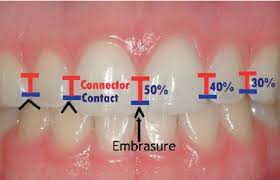
Interproximal reduction is a simple procedure in which the size and shape of the teeth are adjusted using precise diamond embedded instruments in which minute amounts of enamel are removed. This is typically done in between the teeth where they touch one another, known as the contact point. There are several reasons why this is done:

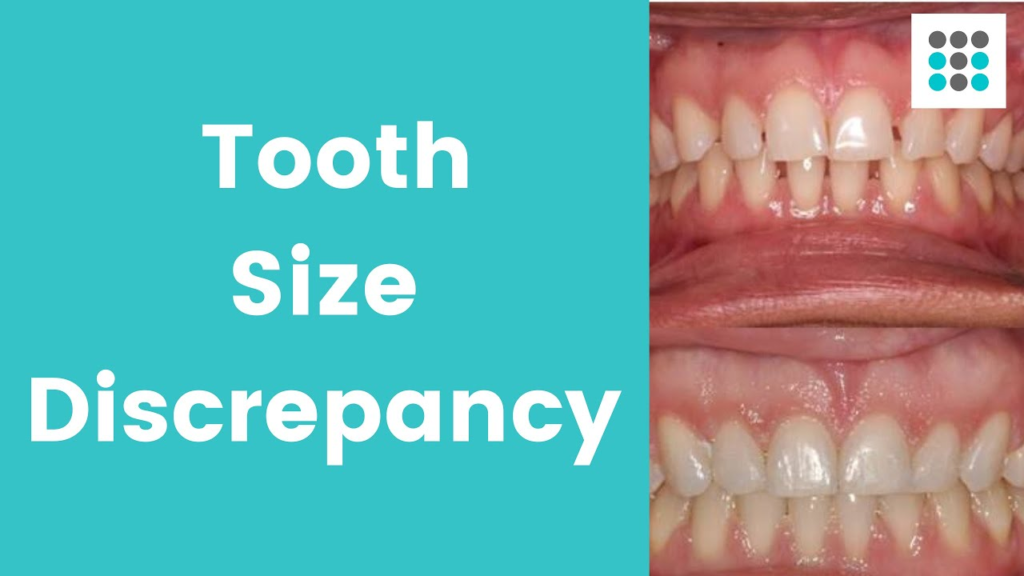
  • Tooth Size Discrepancy: The set of upper and lower teeth are like a puzzle and the individual teeth have ideal sizes in order to fit together properly. If the upper teeth are too big or the bottom teeth are too narrow in comparison, a patient will present with upper crowding, an excess overbite or spacing of the lower teeth. On the other hand, if the top teeth are too small or the lower teeth are too wide, there will be spaces on the top or crowding on the bottom. Through extensive orthodontic research, it was discovered that there are ideal proportions of the upper and lower teeth. If the upper and lower teeth do not match due to the tooth size, it is known as a "Tooth Size Discrepancy". On occasion, reduction of the upper or lower teeth is a solution.
  • This is a quick, safe and pain free procedure. Tooth enamel can be as much as 2.5 millimeters thick and Interproximal reduction typically involves no more than 0.2-0.4 millimeters. After IPR, there is plenty of excess enamel to keep the teeth healthy and strong, which has be shown in countless orthodontic research. IPR does not increase the risk of cavities. Research has shown that dentists are less comfortable performing IPR routinely and orthodontists who are more likely to have researched the long term effects of IPR on the teeth are more comfortable performing the procedure. Because of this, dentists will often inform patients and their families that IPR is unsafe, will damage the teeth or other statements that are incorrect, and not backed by scientific research.

  • Anatomy: Sometimes the shape of the teeth is such that an esthetic improve can be made by removing some excess enamel in order to improve the shape of the teeth or how to teeth connect to each other in order to obtain a more esthetic final result.

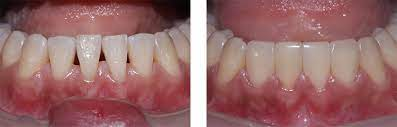
  • Black Triangles: Sometimes due to the shape of the teeth, how they connect to each other or due to gum recession, the appearance of what are known as black triangles occur. It is noticed as triangluar "spaces" close to the gum-line. While there are not actually spaces between the teeth, if the teeth are only touching at the tips and not up to the gums, a dark triangle will apear. On occasion, IPR can reshape these teeth and reduce the size and appearance of the black triangle once the space is closed.

  • Crowding: Another reason for using IPR is due to crowding of the teeth. Significant amounts of space can be created by removing very small amounts of enamel in between some of the teeth. If there is crowding between the teeth, but not enough crowding for the removal of permanent teeth, IPR can be used to create enough space for all of the teeth. In addition to create space, IPR also creates flat surfaces between the teeth which helps improve the stability of teeth to keep them straight after orthodontic treatment is completed.
  • Conclusion and Considerations: IPR is a safe procedure and extensive research shows that there is no increased decay after IPR, there is improved stability of the orthodontic results after IPR due to the improved contacts, and there is no increase in sensitivity when the amount of enamel removed is within proper limits.

The author, Dr. Eric Strouse DMD MDS is a specialist in orthodontics in the practice of orthodontics in Spring Hill and Lecanto, Florida. He was trained at Muhlenberg College for his Bachelors Degree where he competed on the track and field team. He completed his dental training at the University of Connecticut School of Dental Medicine, earning a Doctorate of Medicine in Dentistry(DMD). He completed a one year General Practice Residency at St. Luke's Hospital in Allentown, PA and his specialty training in Orthodontics and Dentofacial Orthopedics at Rutgers University where he also completed a Masters in Dental Science. Dr. Strouse has been published in several Dental and Orthodontic Journals. Dr. Strouse is an expert in two-phase orthodontic treatment, phase 1 interceptive treatment, extraction and non-extraction treatment, Invisalign clear aligners, and multiple bracket systems(custom braces, self ligating braces, conventional braces). This blog is for informational purposes only.

My Wisdom Teeth Made My Teeth Shift...Or Did They?

February 15th, 2024

Some very common statements I hear as an orthodontist from patients are "my wisdom teeth got removed and cause my teeth to shift" or "When my wisdom teeth came in my teeth started to shift". While it is a commonly held belief that the wisdom teeth are related to crowding, they are not related. The thought that wisdom teeth cause crowding or make your teeth crooked is somewhat of an old wives tale and is not true. So why do teeth because crowded after braces or Invisalign?

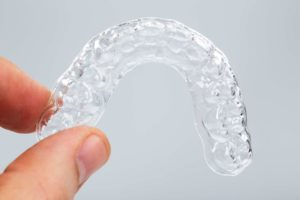
Essix Retainer

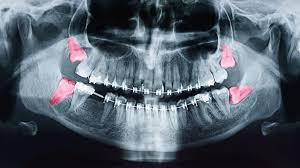
Panoramic X-Ray showing Wisdom Teeth in Pink

Teeth become crooked after orthodontic treatment for a few reasons. The main reason is lack of retainer wear. Research has shown that orthodontic retainers are the only way to keep the teeth in their new position after treatment and keep tooth movement to a minimum. Without retainers, the teeth will begin to shift and become crooked. Just like anything else in the body, teeth change over time, and maintenance is necessary. Keeping the teeth straight after braces requires wearing retainers for as long as you want them to stay straight.

Another factor that over time can lead to shifting of teeth is what is known as late mandibular growth. Put simply, there is a very small amount of lower jaw growth that happens in the late teens and twenties that puts a slight force on the lower teeth pushing them forward and upward very slightly into the back of the top teeth. Over time, this extra force or pressure can cause crowding of previously straight teeth.

Research at the University of Iowa showed that wisdom teeth can not exert pressure on the front teeth to cause them to become crooked. The way this was discovered was by using sensors that compared the pressure with wisdom teeth and without wisdom teeth. What they found was that there was no difference. Research also compared the amounts of crowding in children after braces with and without their wisdom teeth. There was no difference in the amounts of crowding, suggesting that wisdom teeth do not play any factor in crowding, or shifting of the teeth after orthodontics.

While everything in the body changes over the course of time, when it comes to maintaining the position of the teeth, the most important thing is to continue wearing your retainers for as long as you want the teeth to remain straight. The wisdom teeth do not play a role in cause the teeth to shift.

When Is The Correct Age to See An Orthodontist?

February 13th, 2024

Our office and the American Association of Orthodontists (AAO) recommends children get their first check-up with an orthodontist either at the first recognition of an orthodontic problem or at age 7. It is important not to rely on your general dentist(the dentist that does your checkups and cleanings) to properly evaluate for orthodontic concerns.

Around that age, children have a mix of baby (primary) and permanent teeth. An examination at this age gives the child orthodontist a wealth of information. If a problem exists, or if one is developing, your orthodontist is able to advise you on which treatment is recommended, when it should begin, and estimate its length. "Waiting for the baby teeth to fall out" without being evaluated and monitored by an orthodontist is a mistake that can lead to serious issues down the road.

If your child is younger than 7, and you notice something that appears “off,” it’s not necessary to wait until your child turns 7 or until you get a recommendation from your dentist. You should take your child to an orthodontist the moment you notice an issue, regardless of age. No referral needed to set up an appointment for an orthodontic evaluation. At Strouse Orthodontics, as well as most orthodontic offices, initial consultations are complimentary. Orthodontists care about the well being and orthodontic health of your family and will be able to advise if any treatment is needed.

What Happens at the First Exam? Generally five questions will be answered

  1. Is there an orthodontic problem, and if so, what is it?
  2. What are the options to correct the problem?
  3. Is there a possibility any teeth need to be removed?
  4. How long is the recommended treatment expected to take?
  5. How much will the recommended treatment cost?

Frequently Asked Questions

Won't my child's teeth become straighter as they grow?

Unfortunately, a common misconception is that a child's teeth will naturally align as they age. However, the reality is quite different. The space available for permanent front teeth does not expand with growth. In fact, after the eruption of the permanent molars around age 12, there's often less room for the front teeth, potentially resulting in orthodontic issues like protrusion or misalignment. Furthermore, untreated orthodontic problems tend to exacerbate over time and can pose greater challenges as a child matures.

Should I wait for our Dentist to refer my child to an orthodontist?

No. Parents are usually the first to realize something is off about their child's teeth or jaws. If you have any concerns please contact our office to schedule an initial consultation.

Where did my child's orthodontic problems come from?

Most orthodontic problems are genetic. Some are “acquired,” developing over time by sucking the thumb or fingers, mouth breathing, dental disease, abnormal swallowing, poor dental hygiene, or early or late loss of baby teeth, accidents and poor nutrition. Regardless of the cause, an orthodontist will likely be able to treat the condition.

Do I Still Need To See My Dentist During Orthodontic Treatment?

February 10th, 2024

Embarking on the journey towards a straighter, more aligned smile through orthodontics with braces or Invisalign is an exciting and transformative experience. As you enter the world of braces or Invisalign, it is crucial to remember that your orthodontist is just one part of your oral health care team. In this post I will explore why regular dental checkups are essential even when you're undergoing orthodontic treatment.

Oral Health Assessment

While the orthodontist is focusing on straightening teeth and correcting bite issues, your dentist plays a crucial role in ensuring your overall oral health. Regular dental checkups provide a comprehensive assessment of your gums, tongue, cheeks, and the overall health of your mouth. This helps in identifying and addressing any potential issues before they escalate.

Monitoring Oral Hygiene

Maintaining good oral hygiene can be challenging with braces or aligners. The presence of orthodontic appliances creates additional nooks and crannies where food particles and plaque can accumulate. Your dentist will monitor your oral hygiene practices and provide guidance on effective cleaning techniques to prevent cavities and gum problems. It is especially crucial to maintain professional cleanings during orthodontic treatment.

Early Detection of Dental Issues

Dental problems don't take a break during orthodontic treatment. In fact, the presence of braces or aligners can sometimes make it more challenging to detect certain issues. Regular dental checkups enable early detection of problems such as cavities, gum disease, or signs of teeth grinding. Timely intervention can prevent these issues from interfering with your orthodontic progress.

Coordination between Orthodontist and Dentist

Collaboration between your orthodontist and dentist is key to achieving optimal oral health. Your dentist and orthodontist work together to address specific issues, such as restorations after orthodontics, tooth extraction, impacted teeth, or any concerns related to your overall oral health. This coordinated effort ensures that your orthodontic treatment aligns seamlessly with your broader dental care plan.

Conclusion: In conclusion, seeing your dentist regularly during orthodontic treatment is not only advisable but crucial for maintaining overall oral health. The collaboration between your orthodontist and dentist ensures that you receive comprehensive care, addressing both the specific goals of your orthodontic treatment and the broader aspects of oral health. Remember, a beautiful smile is not just about straight teeth – it's also about a healthy and well-maintained mouth.

Back to Top