Why Teeth Relapse After Braces or Aligners (and How to Prevent It)

January 20th, 2026

If you’ve ever thought, “My teeth were straight… why are they shifting again?” you’re not alone.

One of the most common frustrations adults and parents share is seeing teeth move after orthodontic treatment. Whether someone had braces as a teen or completed clear aligner treatment as an adult, relapse (teeth shifting back) is real, and it happens more often than most people realize.

What Is Orthodontic Relapse?

Orthodontic relapse is when teeth shift after treatment. It may look like:

  • One lower front tooth becoming crooked again
  • A gap reopening between front teeth
  • The bite feeling “off” after treatment
  • Teeth slowly rotating or overlapping over time

Sometimes relapse is minor and cosmetic. Other times it affects bite function and can lead to uneven wear or jaw issues.

Why Teeth Move After Braces or Aligners

Many patients assume orthodontic treatment “finishes the job forever.” But the truth is, your mouth is a living system.

Even after your teeth have been moved into perfect alignment, your body continues to apply forces that try to change them over time.

Here are the main reasons relapse occurs:

1. The Bone and Ligaments Need Time to Stabilize

Teeth aren’t set in concrete. They’re held in place by ligament fibers and surrounded by bone. When teeth move during orthodontics, the ligaments stretch and remodel, and the bone must rebuild around the teeth in their new position.

That stabilization process takes time. Without retention, teeth often drift toward their old positions.

2. The Tongue, Lips, and Cheeks Push on Teeth Every Day

Your teeth are constantly affected by:

  • Tongue pressure
  • Lip pressure
  • Cheek pressure
  • Swallowing patterns
  • Mouth breathing
  • Clenching or grinding

Even small daily forces can shift teeth over months and years, especially the lower front teeth.

3. Growth and Aging Continue (Even in Adults)

Many adults are surprised to learn that teeth can crowd more as they age, even if they had braces years ago. Natural changes include:

  • Subtle jaw changes
  • Teeth wearing down
  • Changes in bite forces
  • Gum and bone changes with aging

This is why some adults notice shifting in their 20s, 30s, or 40s, even after successful past orthodontics.

Do Wisdom Teeth Cause Teeth Shifting?

This is one of the most common myths in dentistry and orthodontics.

Wisdom teeth do NOT cause your front teeth to become crowded or crooked.

For years, people believed wisdom teeth “push” the other teeth forward, causing relapse. But research and clinical evidence do not support that idea. Wisdom teeth don’t have the ability to push your teeth forward like a bulldozer.

So why do so many people think wisdom teeth cause shifting?

Because wisdom teeth often erupt around the same time that many adults start noticing natural crowding changes in the front teeth. The timing overlaps, so wisdom teeth get blamed, but they are not the cause.

Bottom line: even if you have your wisdom teeth removed, your teeth can still shift without proper retention. That’s why orthodontists focus on retention, not wisdom teeth, to prevent relapse.

4. Retainers Are Not Optional

This is the biggest reason teeth relapse.

A retainer is not an “extra.” It is the part of treatment that keeps the result.

If retainers aren’t worn consistently, teeth will move. Often quickly.

5. Incomplete Bite Correction Can Increase Relapse Risk

Sometimes teeth look straight but the bite isn’t fully stable. When the bite isn’t properly balanced, teeth can be pushed out of position over time.

This is why orthodontic specialists focus heavily on function, not just cosmetic alignment.

How to Prevent Teeth From Shifting After Treatment

Here’s what works.

1. Wear Your Retainers As Directed

Most relapse happens because patients stop wearing retainers—or don’t wear them enough.

A common plan includes:

  • Full-time retainer wear for the first few months (varies by case)
  • Then night-time wear long-term

The key is consistency. If you stop wearing retainers for a period of time, teeth can shift enough that the retainer won’t even fit.

2. Replace Retainers Before They Wear Out

Retainers don’t last forever. Clear retainers can warp, crack, or loosen.

Signs you may need a new retainer:

  • it feels looser than before
  • it has cracks or bends
  • you have to “force” it on
  • teeth start shifting despite wearing it

The Bottom Line

Teeth shifting after braces or aligners is common, but it isn’t inevitable.

Orthodontic treatment is a process that includes both:

  1. Straightening and correcting the bite
  2. Keeping the results stable long-term with proper retention

If you protect your result with a smart retention plan, you can enjoy your smile for life.

Can Adults Expand Their Upper Jaw? Understanding MARPE

December 16th, 2025

For many years, adults with narrow upper jaws were told the same thing: jaw expansion isn’t possible without surgery. Traditional palate expanders worked well in children, but once growth was complete, options were limited.

Today, that has changed.

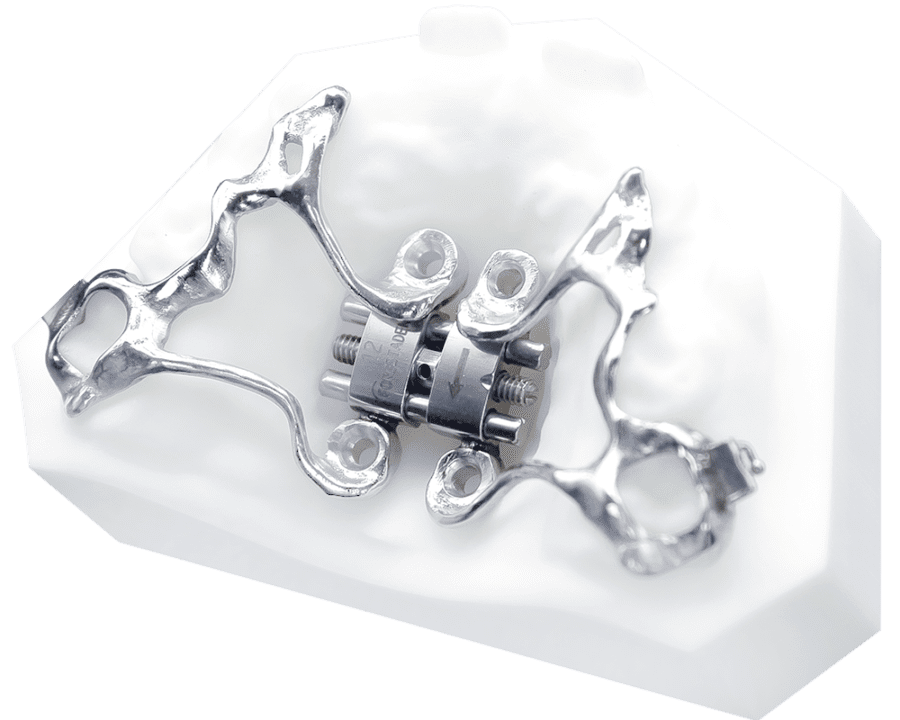
Advances in orthodontics now allow many adults to expand their upper jaw without surgery using a technique called MARPE, short for Miniscrew-Assisted Rapid Palatal Expansion. At Strouse Orthodontics, this is one of the ways we help adult patients who were previously told “nothing could be done.”

What Is MARPE?

MARPE is a type of orthodontic expander designed specifically for adults and older teens. Unlike traditional expanders that rely on teeth alone, MARPE uses small, temporary anchor screws placed in the bone of the palate. These anchors allow the appliance to apply force directly to the upper jaw, making true skeletal expansion possible even after growth has finished.

In simple terms, MARPE helps widen the upper jaw by working with the bone, not just tipping the teeth outward.

Why Traditional Expanders Don’t Work in Adults

In children, the two halves of the upper jaw are still connected by a flexible growth seam called the midpalatal suture. This allows traditional expanders to work easily.

In adults, that suture becomes more rigid over time. Traditional expanders in adults often result in:

  • Tooth tipping instead of jaw expansion
  • Gum recession or discomfort
  • Unstable or short-term results

MARPE was developed to overcome these limitations by providing support directly from the bone.

Who May Be a Candidate for MARPE?

Not every adult needs jaw expansion, but MARPE can be helpful for patients with:

  • A narrow upper jaw
  • Crossbites (upper teeth biting inside the lower teeth)
  • Severe crowding
  • Airway or breathing concerns
  • A history of being told surgery was the only option

A proper evaluation by an orthodontic specialist is essential. Success with MARPE depends on factors like age, bone density, and jaw anatomy—not just symptoms.

MARPE vs Jaw Surgery

For some adults, jaw surgery is still the best option. However, MARPE can sometimes reduce or eliminate the need for surgery, depending on the case.

The difference comes down to:

  • How fused the jaw is
  • How much expansion is needed
  • Overall facial and bite goals

An orthodontic specialist can determine which approach is safest and most effective for long-term stability.

Why MARPE Requires a Specialist

MARPE is not a routine orthodontic procedure. It requires:

  • Advanced diagnosis
  • Understanding of skeletal vs dental expansion
  • Interpretation of 3D imaging
  • Careful appliance design and activation

General dentists typically do not diagnose transverse skeletal deficiencies or perform MARPE. This type of treatment falls squarely within the scope of orthodontic specialty care.

What Does MARPE Feel Like?

Most patients describe a feeling of pressure during activation, similar to traditional expanders. Some experience temporary soreness or nasal pressure early on, which usually resolves quickly. Because the appliance is anchored to bone, many patients find it more controlled and predictable than tooth-borne expanders.

The Bottom Line

Adult jaw expansion is no longer off the table. MARPE has opened the door for many adults who were once told their only option was surgery—or no treatment at all.

If you’ve been told you’re not a candidate for expansion, or if you’re struggling with crowding, bite issues, or breathing concerns, a specialist evaluation may reveal options you didn’t know existed.

When Do Baby Teeth Fall Out and When Do Adult Teeth Come In? A Parents Guide

August 11th, 2025

Losing baby teeth is one of the biggest milestones in a child’s early years, and it’s the first step toward a lifetime smile. Many parents wonder: When should my child’s baby teeth start falling out? and When will their permanent teeth come in?

While every child is different, there’s a general timeline most children follow. Knowing what to expect can help you spot potential problems early. The ideal time for an initial orthodontic exam is age 7, as recommended by the American Association of Orthodontists. This is when there is first a mixture of adult and baby teeth, and early issues can be spotted.

The Basics: Baby Teeth and Permanent Teeth
Children typically have 20 baby teeth (also called primary teeth) and will eventually have 32 permanent teeth (including wisdom teeth). The process of losing baby teeth and gaining adult teeth usually happens gradually between ages 6 and 12.

When Do Baby Teeth Fall Out?
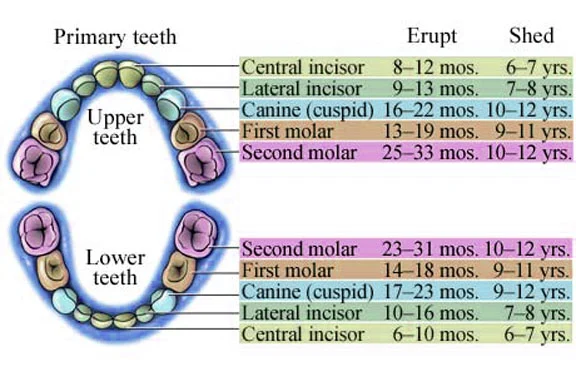
Most kids start losing their baby teeth around age 6 or 7, although some begin earlier or later. The order usually follows the same pattern in which the teeth came in:

Chart of When Baby Teeth Come In and When They Fall Out

Lower front teeth (central incisors): ages 6–7

Upper front teeth (central incisors): ages 6–7

Upper and lower lateral incisors: ages 7–8

First molars: ages 9–11

Canines: ages 9–12

Second molars: ages 10–12

It’s common for the lower front teeth to be the first to go, often with a little wiggle time before they fall out naturally.

When Do Permanent Teeth Come In?
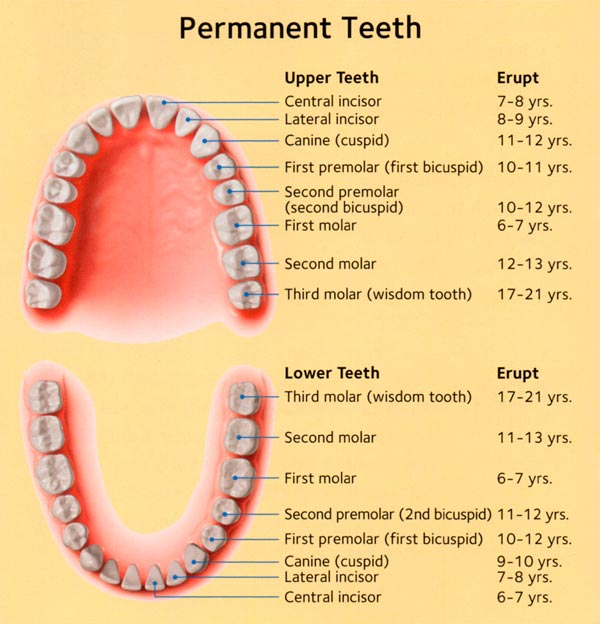
Permanent teeth usually erupt shortly after their baby tooth counterparts are lost. The typical timeline is:

Chart of When Adult Teeth Erupt

First permanent molars (behind the baby molars): ages 6–7

Central incisors: ages 6–8

Lateral incisors: ages 7–9

Canines: ages 9–12

First and second premolars: ages 10–12

Second molars: ages 11–13

Third molars (wisdom teeth): ages 17–21

By around age 12–13, most children have a full set of permanent teeth—except for wisdom teeth.

When to See an Orthodontist
The American Association of Orthodontists recommends that every child have an orthodontic evaluation by age 7. This doesn’t mean your child will start treatment right away, but it’s the best time to check that permanent teeth are coming in properly and that there’s enough space for them.

An orthodontic specialist like Dr. Eric Strouse at Strouse Orthodontics in Spring Hill, FL and Lecanto, FL can detect:

Delayed tooth loss or eruption

Crowding or spacing issues

Bite problems (overbite, underbite, crossbite)

Impacted or missing teeth

Jaw growth concerns

Catching these issues early can make treatment simpler and help avoid more serious problems later.

Tips for Parents
Encourage your child to wiggle loose teeth gently—never force them out

Keep up with twice-yearly dental visits to monitor tooth health

Watch for adult teeth coming in behind baby teeth (shark teeth)

Contact an orthodontist if teeth seem significantly delayed or out of order

Bottom line: While every child’s timeline is unique, most will begin losing baby teeth around age 6 and have most permanent teeth by age 12–13. Keeping track of these milestones, and scheduling an early orthodontic checkup, helps ensure a healthy, confident smile for years to come.

Call Strouse Orthodontics at 352-688-0331 or schedule online at www.strouseorthodontics.com to book your child’s orthodontic evaluation. We serve families in Spring Hill, Lecanto, and surrounding communities.

Will I Need to Avoid Certain Foods or Drinks While Wearing Braces?

February 20th, 2025

Getting braces is an exciting step toward a beautiful, healthy smile! But to get the best results (and avoid unnecessary trips to the orthodontist), it’s important to be mindful of what you eat and drink. Certain foods can damage your braces, slow down your progress, or make keeping your teeth clean more difficult.

At Strouse Orthodontics, we want to make your treatment as smooth as possible, so here’s what you need to know about eating and drinking with braces.

Foods to Avoid with Braces
Braces are strong, but they’re not indestructible. Hard, sticky, or chewy foods can break brackets, bend wires, or get stuck in places that are hard to clean. To keep your treatment on track, here are some foods you should avoid:

  1. Hard Foods
    These can break brackets and wires, leading to unexpected trips to the orthodontist:

  • Nuts
  • Hard candies
  • Ice cubes (chewing on them)
  • Raw carrots (cut them into small pieces instead)
  • Popcorn (kernels can get stuck and damage braces)

  1. Sticky & Chewy Foods
    These foods can pull on your braces, get stuck, and make cleaning difficult:

  • Gum (even "sugar-free" varieties)
  • Gummy candies
  • Chewy bagels and tough bread
  • Caramel and taffy

  1. Crunchy Snacks

  • Chips (opt for softer alternatives like baked chips)
  • Pretzels
  • Granola bars(unless they’re soft and not too sticky)

  1. Sugary Foods & Drinks
    While sugar doesn’t directly harm your braces, it increases the risk of cavities, especially since braces make cleaning your teeth a little trickier. Limit:

  • Soda and sports drinks
  • Candy
  • Sugary juices
  • Energy drinks

    If you do indulge in sweets, brush and rinse your mouth afterward to keep your teeth clean.

What Can I Eat with Braces?
Good news—there are still plenty of delicious foods you can enjoy while wearing braces! Here are some braces-friendly options:

✅ Soft Fruits & Vegetables – Bananas, berries, steamed veggies, avocados
✅ Dairy Products – Yogurt, cheese, soft cheeses, milk
✅ Soft Grains – Pasta, rice, soft bread, pancakes
✅ Protein Options – Eggs, fish, tender chicken, tofu
✅ Soft Snacks – Smoothies, applesauce, pudding

What About Drinking with Braces?
Drinks can affect your braces just as much as food! Here are some things to keep in mind:

Avoid sugary and acidic drinks like soda, sports drinks, and fruit juices. These can cause cavities and weaken your enamel.
Limit coffee and tea to prevent staining.
Stick to water as much as possible
—it keeps your mouth hydrated and helps rinse away food particles.

Final Tips for Eating with Braces
Cut food into smaller pieces
– This makes it easier to chew without putting too much pressure on your braces.
Chew with your back teeth – Avoid biting directly into hard foods.
Brush and floss after eating – Keeping your teeth clean is even more important with braces!
We’re Here to Help!

At Strouse Orthodontics, voted the Best Orthodontist in Hernando County for the last 4 years, we want your braces journey to be as smooth as possible. If you ever have questions about what you can or can’t eat, feel free to ask! And if something happens—like a loose bracket or wire—give us a call, and we’ll help you get back on track.

Ready for a straighter smile? Schedule an appointment with us today!

Orthodontics and Gum Disease: How Orthodontics Can Prevent Gum Disease

February 3rd, 2025

Gum disease, also known as periodontal disease, is a common oral health concern that affects millions of people. It can lead to gum inflammation, infection, and even tooth loss if left untreated. While many people associate orthodontic treatment with achieving a straighter smile, few realize its significant role in preventing gum disease. Properly aligned teeth are easier to clean, reducing the risk of plaque buildup and gum-related issues. In this blog, we will explore how orthodontic treatment can help protect your gums and improve your overall oral health.

Understanding Gum Disease

Gum disease develops when bacteria accumulate along the gumline, causing inflammation and infection. It typically progresses in two stages:

Gingivitis – The earliest stage of gum disease, characterized by red, swollen gums that may bleed when brushing or flossing. Gingivitis is reversible with proper oral care and professional cleanings.

Periodontitis – A more severe form of gum disease that affects the bone and tissues supporting the teeth. If left untreated, it can lead to tooth loss and systemic health issues.

Several factors contribute to gum disease, including poor oral hygiene, smoking, genetics, and underlying health conditions. However, misaligned teeth can also play a significant role in gum health problems.

How Misaligned Teeth Contribute to Gum Disease

Crooked, crowded, or improperly spaced teeth create hard-to-reach areas where plaque and bacteria can accumulate. These areas are difficult to clean effectively, increasing the risk of gum inflammation and infection. Common alignment issues that may contribute to gum disease include:

Crowded teeth – Overlapping or tightly spaced teeth create narrow spaces that are difficult to floss and brush properly.

Gaps between teeth – Large gaps can allow food and bacteria to settle along the gumline, leading to plaque buildup and gum irritation.

Bite misalignment – An improper bite can cause uneven pressure on the gums and teeth, increasing the risk of gum recession and periodontal problems.

How Orthodontic Treatment Helps Prevent Gum Disease

Orthodontic treatment, such as braces or clear aligners, can help correct these alignment issues, reducing the risk of gum disease. Here’s how:

Improved Oral Hygiene – Straightening your teeth eliminates hard-to-reach areas, making it easier to brush and floss effectively. When teeth are properly aligned, plaque and bacteria have fewer places to hide.

Even Pressure Distribution – A well-aligned bite prevents excessive pressure on certain teeth and gums, reducing the likelihood of gum recession and bone loss.

Reduced Risk of Plaque Buildup – With fewer tight spaces and overlapping areas, food particles and bacteria are less likely to get trapped, decreasing the risk of gingivitis and periodontitis.

Healthier Gum Tissue – Properly aligned teeth allow the gums to fit more securely around each tooth, reducing the risk of gum pockets where bacteria can accumulate.

Maintaining Gum Health During Orthodontic Treatment

While orthodontic treatment helps prevent gum disease in the long run, it’s essential to maintain good oral hygiene throughout the process. Here are some tips:

Brush and floss regularly – Use a soft-bristled toothbrush and floss daily to remove plaque and food debris.

Use an interdental brush or water flosser – These tools can help clean around brackets, wires, and aligners.

Attend regular dental cleanings – Professional cleanings and check-ups ensure that any early signs of gum disease are caught and treated promptly.

Follow your orthodontist’s care instructions – Whether you have braces or clear aligners, proper care is crucial to keeping your teeth and gums healthy.

Final Thoughts

Orthodontic treatment isn’t just about achieving a beautiful smile—it plays a crucial role in maintaining healthy gums and preventing periodontal disease. By correcting misalignments and making oral hygiene easier, braces or clear aligners can significantly reduce the risk of gum issues. If you’re concerned about gum disease or struggling with misaligned teeth, schedule a consultation with Strouse Orthodontics today for the best orthodontist in Hernando County FL and Citrus County FL. Let’s work together to create a healthier, straighter smile that lasts a lifetime!

Is it Necessary to Remove Orthodontic Wires for Dental Cleanings?

January 22nd, 2025

As an orthodontic patient, maintaining excellent oral hygiene is crucial. One question that sometimes arises is whether orthodontic wires need to be removed during routine dental cleanings. While some dental offices may recommend this, the truth is that in most cases, it is not necessary. Let’s explore why orthodontic wires can stay in place for cleanings and why it’s perfectly possible to achieve a thorough cleaning without removing them.

Why Some Offices Recommend Wire Removal

Orthodontic wires may occasionally be removed to make cleaning easier for the hygienist. Without wires, accessing areas around the brackets and between the teeth is simpler. This can save time and effort for the dental professional. However, this practice is not a requirement for effective cleaning, especially with modern techniques and tools available to dental hygienists. In some cases, a dentist or hygienist may believe that removing wires ensures a more comprehensive cleaning, but this belief often stems from outdated practices or a lack of familiarity with cleaning around orthodontic appliances.

The Truth: Wires Are Rarely an Obstacle

Specialized Tools Are Designed for Cleaning Around Braces: Dental hygienists are trained to use tools specifically designed to clean around brackets and wires. Ultrasonic scalers, small hand instruments, and polishing devices can effectively remove plaque and tartar without interfering with the orthodontic appliance.

Research Supports Cleaning With Wires in Place: Studies have shown that dental cleanings can be just as effective with wires in place, provided the hygienist is skilled and uses the proper tools. There is no significant evidence suggesting that wire removal improves cleaning outcomes or oral health during orthodontic treatment.

It Saves Time and Reduces Hassle for Patients: Removing and replacing wires involves an additional orthodontic visit, which can be inconvenient for patients. Leaving wires in place streamlines the process and ensures you don’t miss out on valuable time wearing your braces.

Modern Orthodontics Promotes Better Hygiene: Today’s orthodontic wires and brackets are designed with patient hygiene in mind. Many brackets are smaller and less intrusive than older models, allowing for easier cleaning. Additionally, orthodontists often recommend tools like water flossers and special orthodontic brushes to help patients maintain excellent oral health throughout their treatment.

When Might Wire Removal Be Necessary?

There are a few rare situations where removing wires might be recommended, such as:

Severe Tartar Buildup: If tartar has accumulated significantly in hard-to-reach areas, a temporary wire removal may be helpful to access and clean these spots.

Extensive Dental Work: For specific procedures, like deep periodontal treatments, removing wires might be required to ensure thorough care.

Certain Dental X-Rays: Certain dental x-rays, such as bitewings may indicate orthodontic wires to be removed to better visualize potential cavities in between the teeth.

However, these cases are exceptions, not the norm. For routine cleanings, leaving wires in place is sufficient and preferred.

Best Practices for Cleaning With Braces

Patients can play a vital role in keeping their teeth clean during orthodontic treatment. Here are a few tips to ensure your dental cleanings are as effective as possible:

Use Orthodontic-Friendly Tools: Water flossers, interdental brushes, and floss threaders can help remove debris and plaque from hard-to-reach areas.

Follow Your Hygienist’s Advice: Skilled hygienists know how to clean around braces effectively, so trust their expertise during your appointment.

Maintain Good Daily Hygiene: Brushing thoroughly with a fluoride toothpaste and using mouthwash can reduce the amount of buildup that needs to be addressed during professional cleanings.

The Bottom Line

In most cases, removing orthodontic wires for routine dental cleanings is unnecessary. Skilled dental hygienists can perform a thorough cleaning without removing your wires, and modern tools make this process both effective and efficient. If you’re ever in doubt, consult with your orthodontist to ensure you’re receiving the best care possible while maintaining the integrity of your orthodontic treatment.

By keeping your wires in place, you save time, reduce inconvenience, and still achieve excellent oral hygiene. Trust the process and your dental professionals to help you maintain a healthy, beautiful smile throughout your orthodontic journey.

What is Overjet

January 20th, 2025

When it comes to bite misalignments, terms like “overbite” and “underbite” are often used. However, another common condition is an overjet, which is different from an overbite and can cause unique dental and health challenges. The terms "overbite" and "underbite" often get confused and used interchangeably. Understanding overjet is essential to knowing when and why you might need orthodontic treatment.

What is an Overjet?
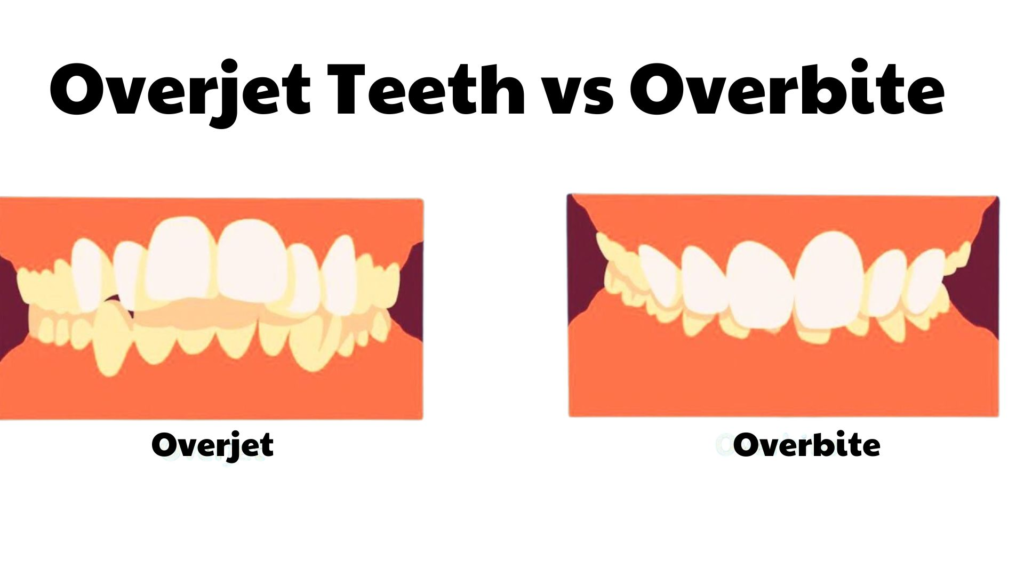
An overjet occurs when the upper front teeth project forward, beyond the lower front teeth, at a significant horizontal distance. In simple terms, it means that the top teeth stick out too far over the bottom teeth. This condition is sometimes referred to as “buck teeth” and can make it difficult to close the lips completely over the teeth.

Unlike an overbite, which refers to how much the upper teeth vertically overlap the lower teeth, an overjet focuses on the horizontal distance between the upper and lower front teeth. In a normal bite, the upper front teeth should slightly overlap the lower front teeth, but with an overjet, the gap is exaggerated, which can lead to a range of issues.

What Causes an Overjet?
Several factors can contribute to the development of an overjet, including:

Genetics: Just like the shape of your eyes or the color of your hair, dental structure can be inherited. If your parents had an overjet, there’s a higher chance you might too.

Thumb Sucking or Prolonged Pacifier Use: Habits such as thumb sucking or using a pacifier beyond the recommended age can push the upper teeth forward, leading to an overjet.

Mouth Breathing: Chronic mouth breathing, often due to allergies or nasal obstructions, can alter the development of the jaw and teeth, contributing to an overjet.

Jaw Growth Discrepancies: Sometimes, the upper jaw grows faster than the lower jaw or vice versa, causing an imbalance that results in an overjet.

Missing or Misaligned Teeth: Teeth that are missing, crowded, or misaligned can disrupt the natural alignment of the bite, leading to an overjet.

Effects of an Overjet on Oral Health
While an overjet might seem like just a cosmetic concern, it can actually impact both oral health and overall quality of life. Here are some potential issues caused by an untreated overjet:

Difficulty Chewing and Biting: When the front teeth don’t align properly, it can make it challenging to bite into food, especially hard or crunchy items like apples or carrots.

Speech Impediments: An overjet can cause speech difficulties, such as lisping or trouble pronouncing certain sounds, which can affect communication and self-esteem.

Increased Risk of Dental Trauma: Because the upper front teeth stick out more than usual, they are more vulnerable to damage from falls or impacts, such as chipping or breaking.

Jaw Pain and Discomfort: Misaligned teeth can put extra strain on the jaw muscles, leading to pain, discomfort, and in some cases, temporomandibular joint (TMJ) disorders.

Gum Issues: Overjets can cause the upper teeth to sit further forward on the gums, leading to potential gum recession or irritation.

How is an Overjet Treated?
The good news is that overjets are treatable with a variety of orthodontic solutions. The best treatment option depends on the severity of the overjet and the patient’s age. Here are some common methods:

Braces: Traditional braces are a highly effective option for correcting overjets. By using brackets and wires, braces can gradually shift the teeth back into their proper alignment.

Clear Aligners: For those seeking a more discreet option, clear aligners can be used to correct mild to moderate overjets. These custom-made trays gently move the teeth into place over time.

Rubber Bands(Elastics): Rubber bands in combination with braces or clear aligners can be used to correct overjets.

Jaw Growth Modifiers: For younger patients, appliances such as functional appliances can help guide the growth of the jaws to correct the overjet before the jawbones fully develop.

Tooth Extraction: In some cases, removing one or more teeth can create space and allow for proper alignment of the remaining teeth, reducing the overjet.

Surgical Options: In severe cases, where the overjet is caused by a significant jaw discrepancy, orthognathic surgery may be necessary to reposition the jaw and correct the bite.

Why See an Orthodontist for Overjet Treatment?
While general dentists can provide some orthodontic care, an orthodontist has specialized training to diagnose and treat bite misalignments like overjets. At Strouse Orthodontics, we use the latest technology and techniques to ensure the best possible outcomes for our patients. We offer personalized treatment plans designed to address your unique needs and provide you with a healthy, beautiful smile.

Conclusion
An overjet is more than just a cosmetic issue—it can affect your ability to chew, speak, and smile confidently. Whether you’re dealing with mild or severe overjet, early intervention is key to preventing long-term problems. If you or your child has an overjet, don’t wait to seek treatment. Contact Strouse Orthodontics, the best orthodontic practice in Citrus and Hernando County today to schedule a consultation and take the first step towards a healthier, more aligned smile.

How Long Do Retainers Last?

July 8th, 2024

Retention is the most important part of the orthodontic journey. Once treatment is complete, retainers help maintain the position of your teeth after braces or clear aligners. They help make sure your smile stays straight forever! However, the retainers themselves do not last forever and occasionally need to be replaced.

What Are Essix Retainers?
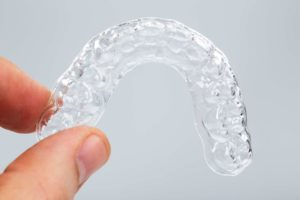
Essix retainers are clear, plastic retainers that fit snugly over your teeth. They are custom-made to ensure a perfect fit and are designed to maintain your teeth's position after braces or other orthodontic treatments.

Lifespan of Essix Retainers
The lifespan of retainers depends on several factors, most importantly how well they are taken care of. For most patients, retainers last somewhere between 2-8 years, however can range based on your individual habits. It is somewhat similar to tires on a car; they do need to be replaced occasionally, and how quickly they wear depends on several factors including how they are handled, road conditions, aggressive driving, hard braking, etc.

Factors

Habits: Patients that clench and grind their teeth, find that retainers will wear down faster than patients that do not.
Care and Maintenance: Proper cleaning, storage and handling significantly impact how long your Essix retainer will last.
Dental Changes: Changes in your dental structure(Fillings, crowns etc) may necessitate a new retainer.

How to Care for Your Essix Retainer
Proper care is essential to maximize the lifespan of your Essix retainer. Here are some tips to keep it in optimal condition:

  1. Cleaning
    Daily Cleaning: Clean your retainer daily using a soft toothbrush and mild, non-abrasive soap. Avoid toothpaste, as it can be abrasive and cause scratches.
    Deep Cleaning: Periodically, soak your retainer in a retainer cleaning solution or a mixture of water and a bit of baking soda to keep it fresh and free of bacteria.
  2. Handling
    Avoid Heat: Do not expose your retainer to hot water, direct sunlight, or heat sources, as it can warp the plastic.
    Storage: Always store your retainer in its protective case when not in use to prevent damage and loss. Avoid napkins for storage as they will end up in the trash!
  3. Usage
    Gentle Removal: Remove your retainer gently to avoid cracking or bending it. Use both hands to pull it out evenly. Avoid pulling the retainer out from the front.
    Avoid Certain Foods: Refrain from eating or drinking anything other than water while wearing your retainer to prevent staining and damage.

    Signs It’s Time to Replace Your Essix Retainer
    Despite your best efforts, Essix retainers will eventually need to be replaced. Here are some signs that it’s time for a new one:

Cracks or Breaks: Any visible damage means the retainer is no longer effective.
Loss of Fit: If your retainer feels loose or doesn’t fit as snugly as it used to, it’s time for a replacement.
Discoloration or Odor: Persistent discoloration or an unpleasant odor, even after cleaning, indicates it’s time for a new retainer.
Wear and Tear: General wear over time will reduce the retainer’s effectiveness in maintaining your teeth’s position.

Conclusion
Essix retainers are a fantastic option for maintaining your smile post-treatment, but they do require care and eventual replacement. By following the care tips outlined above, you can maximize the lifespan of your retainer and keep your smile looking its best.

Magic Dental Appliances

June 17th, 2024

A patient recently presented to my office for a consultation who informed me their dentist advised them to use a special mouthpiece in order to avoid the need for braces(orthodontics) with the premise of guiding jaw growth and alignment of the jaw.

As a practitioner that is very current with the current orthodontic literature and trends in the industry and a member of numerous research study groups, it struck my attention when there was an orthodontic therapy I was not familiar with.

Upon looking in to this further, consulting the literature along with various orthodontic colleagues, it appears that the Healthy Start and various similar appliances are making the rounds for pediatric dentists and general dentists. This is true not just in our communities in Hernando and Citrus County Florida, but throughout the country. Could there be special mouthpieces that Orthodontic Specialists who do orthodontics exclusively, have been to ADA Certified Residency programs, and countless hours of Continuing Education are not familiar with that general dentists have solved?

On the Healthy Start website for instance, there is no literature or research to support the claims made of the system and the before and after photos on the website are from different patients. There is no explanation on the website or anywhere for that matter how the appliance works. Sensationalist marketing is used with claims that Math, Science and Spelling will approve with this mouthpiece, while Reading and Writing are not affected. They also claim that ADHD will be eliminated, the need for braces will be eliminated and the Temporomandibular Joint function will not only be improved, it will eliminate any disfunction 80% of the time. Additionally, the appliance can even cure Sleep Disordered Breathing(SDB), bedwetting, irritability and fatigue all while improving school performance!!

These types of treatment are advertised as a way to "prevent" children from ever needing orthodontics. While these appliances are unlikely to do any harm, and may even provide some mild benefit to early tooth alignment, they are mostly sold to general dentists and pediatric dentists who do not have training or knowledge in orthodontics. As the prevalence of cavities decreases, offices are often looking for additional revenue sources. Prefabricated mouthpieces are an easy way for dental and pediatric offices to present something to parents of young children with claims that they need that will eliminate the need for braces or any orthodontic treatment. In reality, it is likely that a child will still need orthodontics in the future and any type of orthodontic treatment that is completed by a practitioner without a firm understanding of tooth movement, growth and development can potentially do more harm than good, all while using the families insurance benefits. Additionally, while it is possible these types of appliances can provide some additional space for adult teeth, they do not perform bite correction. Given that these kids are unlikely to see an orthodontist, bite issues will likely go undiagnosed, and the patient will have more wear and tear to their teeth, and issues such as gum recession throughout life.

In short, when it comes to Orthodontics, tooth movement, growth and development, it is important to seek the advice of an expert. At Strouse Orthodontics, in Spring Hill and Lecanto, Florida as well as most orthodontic offices, Orthodontic Specialists perform complimentary initial exams and an Orthodontist can complete a proper comprehensive evaluation and determine a treatment plan best for your child in the long term. When you hear a marketing pitch of a new magic appliance that will cure Sleep Apnea, eliminate ADHD and improve Math scores(but won't be able to improve Reading scores), it is probably best to consult with an expert and avoid potential damage to the teeth and surrounding structures, not to mention the additional time and money involved.

Best Orthodontist 2024

June 10th, 2024

We are thrilled to announce that Strouse Orthodontics has been honored with the Hernando Sun Readers Choice Award for Best Orthodontist in Hernando County for 2024! This incredible recognition is a testament to the trust and support of our amazing patients and the dedication of our entire team.

First and foremost, we want to extend our deepest gratitude to our wonderful patients. Your confidence in our office made this award possible. At Strouse Orthodontics, we believe in providing the highest quality orthodontic care with a personal touch, and this award reaffirms that our commitment to excellence is making a positive impact in our community.

Winning the Readers Choice Award is a reflection of our ongoing dedication to providing the highest quality orthodontic care in Hernando County, FL and Citrus County, FL. Our team, led by Dr. Eric Strouse, DMD MDS, is passionate about creating beautiful, healthy smiles for patients of all ages. From traditional braces to clear aligner treatments, we tailor our approach to meet each patient's unique needs and goals, focusing on both beautiful esthetics and function.

Why Choose Strouse Orthodontics?

At Strouse Orthodontics, we combine state-of-the-art technology with compassionate care in a warm and welcoming environment to ensure every patient has a comfortable and effective treatment experience. Here are a few reasons why our patients have chosen us as their preferred orthodontic provider in Hernando County and Citrus County.

Personalized care

Every patient receives a customized treatment plan designed to achieve optimal results. We take the time to understand your concerns and work closely with you throughout your orthodontic journey. Dr. Strouse and our team specialize in orthodontics and are not a general dentist that does orthodontics on the side. We truly care about providing the best orthodontic care to our patients.

Advanced Technology

We invest in the latest orthodontic technologies to enhance treatment accuracy and comfort. Our digital imaging systems, 3D scanners, 3D Printing and cutting-edge appliances help us deliver exceptional outcomes.

Friendly and Supportive Team

Our staff is dedicated to creating a welcoming environment where patients feel valued and cared for. We are always here to answer questions, provide guidance, and celebrate your progress.

Community Involvement

We believe in giving back to the community that has supported us. Strouse Orthodontics is actively involved in local events, schools, sports teams sponsorships, and charitable activities, making Hernando and Citrus County a better place to live and smile.

As we celebrate this achievement, we are more motivated than ever to continue raising the bar in orthodontic care. We will keep striving to exceed your expectations and help you achieve the smile you've always dreamed of.

Thank you once again to all who voted for us and supported us throughout the years. Winning the Hernando Sun Readers Choice Award for Best Orthodontist in 2024 is a true honor, and we look forward to serving you with the same level of excellence and care in the years to come.

If you or someone you know is considering orthodontic treatment, we invite you to visit us at Strouse Orthodontics. Let's work together to create a Smile To Be Proud Of!

Connect with Us

Stay up-to-date with the latest news, tips, and updates from Strouse Orthodontics by following us on social media and visiting our website. We love sharing our patients' success stories and helpful information to keep your smile shining bright.

Thank you, Hernando and Citrus County, for making us your choice for the best orthodontic care. Here's to many more years of creating beautiful smiles together!

Do All of My Baby Teeth Need To Have Fallen Out Before Getting Braces?

May 13th, 2024

A common statement I hear in my office is that "our dentist told us to wait until all the baby teeth fall out before getting braces." Another is "I didn't want to bring my child in for an appointment yet because I know they still have baby teeth". I have blogged before about phase 1 orthodontics and my, along with the American Association of Orthodontists recommendation that all children receive an orthodontic evaluation by age 7. Sometimes there are problems that can only be corrected at an early age, or that if left unaddressed early, would make treatment later on much more difficult, lengthy or leave a child with a psychosocial concern with their teeth through the adolescent and teenage years. What about when teens still have baby teeth? Here, I will answer some common questions about teens and baby teeth.

When performing an orthodontic exam, one of the first things I do is count the teeth. Are all of the teeth that should be present actually there and are there any teeth that should not be present that are present. Typically the baby teeth are all gone by age 12. If a patient is past the age of 12 and still have baby teeth, this is a signal that either something is wrong or there is a delay in tooth development. As their name suggests, the 12 year molars should be in by age 12. Additionally, if there is a baby tooth on one side but all of the other three baby teeth are gone, this is a signal that something may be wrong and further evaluation needed. These things are all a part of my diagnosis. I have seen countless patients the age of 13-18 and even older with baby teeth present that the dentist never told them should not be there or that they were "waiting for the last baby tooth out to do Invisalign" only to find out that they have several impacted teeth and their orthodontic issues are more involved than they had thought.

While for phase 2, or single phase treatment I typically like to begin when all of the baby teeth are gone, there are some times that may indicate beginning early. A main indication for this is if there is a tooth that is stuck, or impacted. In these cases sometimes I prefer to begin create space for a tooth that is crowded out in hopes of avoiding the need for a future surgery to bring this tooth in. Another reason is that sometimes, patients are congenitally missing(born without) certain adult teeth and the orthodontic plan is to keep the baby teeth as long as possible. In these situations, we will start treatment with baby teeth still present.

Sometimes, when a patient comes to my office, there are baby teeth still present that should have come out already. In these situation, sometimes the baby teeth need to be removed. This depends on the patients age, the position of the baby teeth and their replacements as well as the mobility of the baby teeth. If a tooth that should have fallen out at age 11 is still present at age 15 and is not loose, I will often advise removing the baby tooth before beginning treatment.

In summary, when to begin treatment depends on several factors determined by a specialist in orthodontics. While a dentist can be great at cleaning the teeth and filling cavities, they lack the background training and knowledge in tooth eruption, growth and development, and orthodontics to make orthodontic advisement, let alone treatment. While I typically like to begin comprehensive treatment when all of the baby teeth have been lost, there are several situations in which it may be best to start treatment earlier. The best way to find out what is best for your and your family is to contact your orthodontist for a complimentary consultation.

Can I Play Sports with Braces or Clear Aligners?

May 6th, 2024

A common question I receive from patients, especially those who are active in sports, is whether they can continue playing while undergoing orthodontic treatment with braces or Clear Aligners. It's a valid concern, as both braces and Clear represent significant investments in time and money, and nobody wants their active lifestyle to be hindered by their orthodontic appliances. In this blog post, we'll explore the compatibility of braces and Invisalign with various sports and offer tips for maintaining both your smile and your game.

Braces and Sports:
Let's start with traditional braces. Many patients worry that the brackets and wires will interfere with their ability to play sports comfortably or safely. While there may be an adjustment period as you get used to your braces, most sports can still be played with proper precautions.

Contact sports like football, basketball, and soccer pose a higher risk of injury, so it's essential to wear a mouthguard that will fit over your braces.

For non-contact sports like running, swimming, or cycling, braces typically don't pose as much of a concern. However, it's still crucial to be mindful of any discomfort or irritation caused by the braces, especially during vigorous physical activity.

Clear Aligners and Sports:
Clear aligners offer a more flexible option for athletes, as the aligners can be removed during sports activities. This means you can continue to play without worrying about the brackets and wires of traditional braces and offer a much more comfortable and convienient option for aligning the teeth and bite. However, there are a few things to keep in mind.

Firstly, always remember to wear your aligners for the recommended 22 hours per day, even on game days. Consistency is key to achieving the desired results within the estimated treatment time.

Secondly, be sure to store your aligners safely during sports activities. Invest in a sturdy case to protect them from damage or loss while you're on the field or court.

Lastly, maintain good oral hygiene practices, especially after removing your aligners. Brushing and flossing after meals or snacks before reinserting your aligners will help prevent cavities and keep your smile healthy throughout treatment.

General Tips for Athletes with Braces or Clear Aligners:
Regardless of whether you have braces or clear aligners, there are some universal tips to help you stay on top of your game while maintaining your orthodontic treatment:

Stay hydrated: Drink plenty of water, especially if you're wearing braces, as it can help alleviate any discomfort caused by the appliances.
Choose braces-friendly foods: Patients with braces should avoid hard, sticky, or crunchy foods that can damage your braces or get stuck in your aligners.
Keep up with your appointments: Regular check-ups with your orthodontist are essential for monitoring your progress and making any necessary adjustments to your treatment plan.
Communicate with your orthodontist: If you have any concerns or experience any issues related to your treatment and sports activities, don't hesitate to reach out to your orthodontic team for guidance and support.

Having braces or clear aligners doesn't mean you have to sit on the sidelines when it comes to sports. With proper precautions and a proactive approach to your orthodontic treatment, you can continue to pursue your athletic passions while achieving the smile of your dreams. Remember to prioritize both your oral health and your athletic performance, and don't hesitate to consult with your orthodontist if you have any questions or concerns along the way.

Cost of Orthodontic Treatment

April 3rd, 2024


As you delve into the world of orthodontic treatment, understanding the financial aspects is just as crucial as understanding the clinical ones. While the cost of treatment can vary significantly based on the complexity of your case and other factors, it’s essential to consider additional factors that may affect your out-of-pocket expenses.

Insurance Coverage and Financing: Navigating Your Benefits and Making Treatment Affordable

For many patients, insurance coverage and financing options play a significant role in making orthodontic treatment more accessible.

Insurance Coverage: Some dental insurance plans offer orthodontic coverage, which can help offset a portion of the expenses. However, it’s important to note that coverage levels and limitations vary widely among insurance providers and individual plans.

Before beginning treatment, it’s advisable to review your insurance policy to understand the extent of your orthodontic coverage. Your orthodontist’s office can also assist you in navigating your benefits and determining how they apply to your treatment plan. While insurance coverage can help reduce costs, it’s essential to be aware of any deductibles, copayments, or exclusions that may apply.

Financing Options: For patients concerned about the financial aspect of orthodontic treatment, many orthodontic practices offer flexible financing options to make treatment more accessible. Interest-free financing plans allow you to spread the cost of treatment over manageable monthly payments, making it easier to fit orthodontic care into your budget.

Orthodontic financing plans typically offer competitive terms and can be customized to suit your individual needs. By taking advantage of these financing options, you can focus on achieving your dream smile without worrying about the upfront financial burden.

Consultation: Your First Step

Before diving into the specifics of cost, the first step in your orthodontic journey is a consultation with a qualified orthodontist. During this initial appointment, the orthodontist will conduct a thorough examination of your teeth, jaws, and overall oral health to assess your individual needs.

The consultation allows the orthodontist to develop a personalized treatment plan tailored to address your specific concerns. It also provides an opportunity to discuss your treatment goals, ask any questions you may have, and address any financial considerations.

Understanding Phase One Orthodontics

Phase one orthodontics, also known as early or interceptive orthodontic treatment, is aimed at addressing orthodontic issues in children at a younger age, typically between the ages of 7 and 10. This early intervention helps guide the growth and development of the jaws, creating a more favorable environment for the eruption of permanent teeth and correcting certain bite problems.

The cost of phase one orthodontics can vary depending on the complexity of the treatment and the specific needs of the child. While it typically ranges between $2000 and $4500, it’s essential to consult with your orthodontist to get an accurate estimate based on your child’s individual case.

Comprehensive Orthodontic Treatment

Comprehensive orthodontic treatment, often referred to as full treatment, is typically initiated when all permanent teeth have erupted, usually around the ages of 11 to 13. This phase of treatment focuses on achieving optimal alignment of the teeth and bite, resulting in a straighter, healthier smile.

The cost of comprehensive orthodontic treatment also varies depending on factors such as the complexity of the case, the type of braces or aligners used, and the duration of treatment. On average, comprehensive treatment ranges between $5000 and $7000. However, it’s important to remember that this is just a general estimate, and the actual cost may differ based on individual circumstances.

Conclusion

Orthodontic treatment is a valuable investment in your oral health and overall well-being. While cost is undoubtedly a consideration, it’s essential to prioritize quality care and the expertise of a qualified orthodontist. Your orthodontist will work with you to develop a personalized treatment plan that meets your needs and fits your budget, ensuring you achieve the smile you’ve always wanted. Don’t hesitate to discuss any questions or concerns you may have about the financial aspects of treatment. With the right guidance and support, you can achieve the smile you’ve always wanted while staying within your budget. Remember, the first step is scheduling a consultation to discuss your options and get started on your journey to a confident, beautiful smile.

All About Interproximal Reduction

March 7th, 2024

In orthodontics, the quest for a beautiful harmonic smile often involves various intricate techniques and methods. While braces or Invisalign can make the teeth straighter, in most cases, an orthodontic specialist has many variables to consider and a complex diagnosis and treatment planning is done behind the scenes. Some of these considerations involve a patients skeletal pattern, analysis of several radiographs, the patients facial profile and balance, symmetry, as well as the macro and micro esthetics of the teeth.

This post will focus on the last point. The macro esthetics encompass the relationships of the teeth to the face, lips and gums and the micro esthetics involve the individual tooth size, shapes and shades. There are many misconceptions about interproximal reduction, many of which come from General Dentists who have the best intentions, but are ill-informed, as well as social media. It is important to remember that Orthodontists are specialists in tooth movement and what is needed to obtain the best smile and proper bite relationship.

The size and shape of the teeth play as large role in the appearance of the smile as anything that an orthodontist does with braces or Invisalign. If the teeth have irregular size or shape sometimes the teeth themselves need to be altered in order to obtain an ideal bite as well as an optimal esthetic result. Interproximal reduction, or IPR, is a technique that can be utilized in order to obtain the best orthodontic outcome.

Interproximal reduction is a simple procedure in which the size and shape of the teeth are adjusted using precise diamond embedded instruments in which minute amounts of enamel are removed. This is typically done in between the teeth where they touch one another, known as the contact point. There are several reasons why this is done:

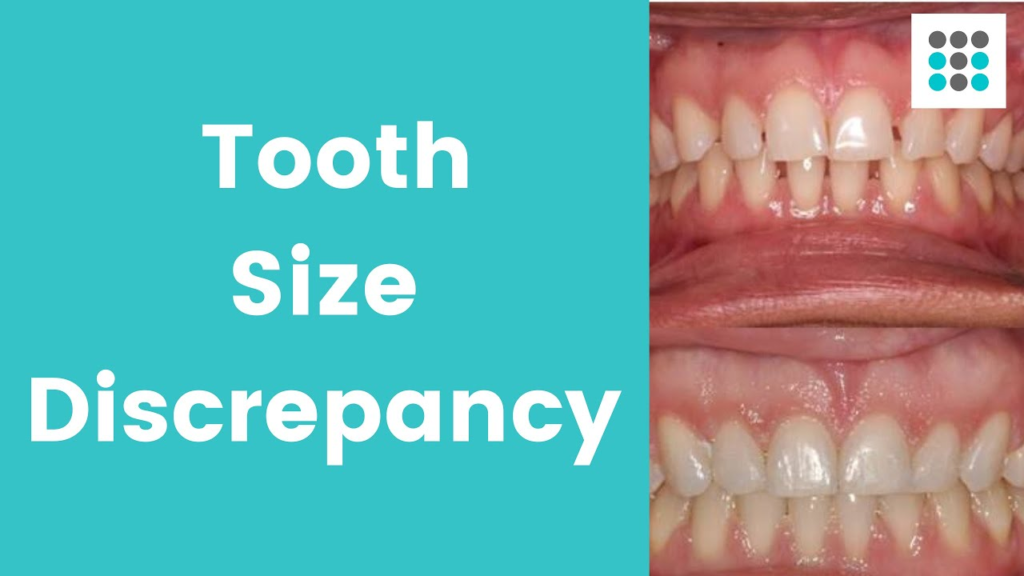
  • Tooth Size Discrepancy: The set of upper and lower teeth are like a puzzle and the individual teeth have ideal sizes in order to fit together properly. If the upper teeth are too big or the bottom teeth are too narrow in comparison, a patient will present with upper crowding, an excess overbite or spacing of the lower teeth. On the other hand, if the top teeth are too small or the lower teeth are too wide, there will be spaces on the top or crowding on the bottom. Through extensive orthodontic research, it was discovered that there are ideal proportions of the upper and lower teeth. If the upper and lower teeth do not match due to the tooth size, it is known as a "Tooth Size Discrepancy". On occasion, reduction of the upper or lower teeth is a solution.
  • This is a quick, safe and pain free procedure. Tooth enamel can be as much as 2.5 millimeters thick and Interproximal reduction typically involves no more than 0.2-0.4 millimeters. After IPR, there is plenty of excess enamel to keep the teeth healthy and strong, which has be shown in countless orthodontic research. IPR does not increase the risk of cavities. Research has shown that dentists are less comfortable performing IPR routinely and orthodontists who are more likely to have researched the long term effects of IPR on the teeth are more comfortable performing the procedure. Because of this, dentists will often inform patients and their families that IPR is unsafe, will damage the teeth or other statements that are incorrect, and not backed by scientific research.

  • Anatomy: Sometimes the shape of the teeth is such that an esthetic improve can be made by removing some excess enamel in order to improve the shape of the teeth or how to teeth connect to each other in order to obtain a more esthetic final result.

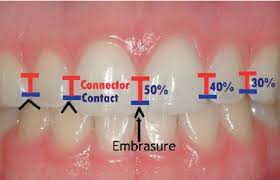
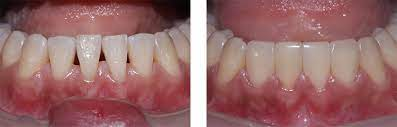
  • Black Triangles: Sometimes due to the shape of the teeth, how they connect to each other or due to gum recession, the appearance of what are known as black triangles occur. It is noticed as triangluar "spaces" close to the gum-line. While there are not actually spaces between the teeth, if the teeth are only touching at the tips and not up to the gums, a dark triangle will apear. On occasion, IPR can reshape these teeth and reduce the size and appearance of the black triangle once the space is closed.

  • Crowding: Another reason for using IPR is due to crowding of the teeth. Significant amounts of space can be created by removing very small amounts of enamel in between some of the teeth. If there is crowding between the teeth, but not enough crowding for the removal of permanent teeth, IPR can be used to create enough space for all of the teeth. In addition to create space, IPR also creates flat surfaces between the teeth which helps improve the stability of teeth to keep them straight after orthodontic treatment is completed.
  • Conclusion and Considerations: IPR is a safe procedure and extensive research shows that there is no increased decay after IPR, there is improved stability of the orthodontic results after IPR due to the improved contacts, and there is no increase in sensitivity when the amount of enamel removed is within proper limits.

The author, Dr. Eric Strouse DMD MDS is a specialist in orthodontics in the practice of orthodontics in Spring Hill and Lecanto, Florida. He was trained at Muhlenberg College for his Bachelors Degree where he competed on the track and field team. He completed his dental training at the University of Connecticut School of Dental Medicine, earning a Doctorate of Medicine in Dentistry(DMD). He completed a one year General Practice Residency at St. Luke's Hospital in Allentown, PA and his specialty training in Orthodontics and Dentofacial Orthopedics at Rutgers University where he also completed a Masters in Dental Science. Dr. Strouse has been published in several Dental and Orthodontic Journals. Dr. Strouse is an expert in two-phase orthodontic treatment, phase 1 interceptive treatment, extraction and non-extraction treatment, Invisalign clear aligners, and multiple bracket systems(custom braces, self ligating braces, conventional braces). This blog is for informational purposes only.

Community Spotlight: Brooksville, Florida

February 21st, 2024

Brooksville, often hailed as the "Nature Coast," offers a delightful blend of old-world charm and modern amenities with a wonderful community of families we are privileged to serve at Strouse Orthodontics. Steeped in history, this picturesque city invites you to explore its quaint downtown adorned with historic architecture, charming boutiques, and cozy cafes. Take a stroll down its tree-lined streets, and you'll find yourself immersed in the beauty of Southern hospitality and small-town allure.

But Brooksville isn't just about its nostalgic charm – it's also a haven for outdoor enthusiasts and nature lovers. From the breathtaking landscapes of the Withlacoochee State Forest to the crystal-clear waters of Weeki Wachee Springs State Park, there's no shortage of natural wonders to behold. Whether you're kayaking along scenic rivers, hiking through lush forests, enjoying a Historic Walking Tour or simply enjoying a picnic in the park, Brooksville offers endless opportunities for adventure and relaxation.

At Strouse Orthodontics we understand the importance of a healthy, beautiful smile. Led by experienced orthodontist Dr. Eric Strouse, our practice is committed to providing personalized care and innovative treatments that achieve exceptional results. From traditional braces to Invisalign® clear aligners, we offer a comprehensive range of orthodontic services tailored to meet the unique needs of each patient, for both children and adults.

What sets us apart is our dedication to excellence and our genuine passion for enhancing smiles. We combine state-of-the-art technology with a compassionate approach to ensure that every patient receives the highest standard of care in a comfortable and welcoming environment. Whether you're seeking orthodontic treatment for yourself or your family members, you can trust that you're in good hands at Strouse Orthodontics.

Join Our Orthodontic Family in Brooksville

Conveniently located in the heart of Brooksville, our practice is proud to serve patients from Brooksville and the surrounding communities. Whether you're a longtime resident or just passing through, we invite you to experience the difference at Strouse Orthodontics. Our office has convenient locations in Citrus and Hernando County, in Lecanto and Spring Hill. We provide the highest quality orthodontic care, with custom orthodontic braces and Invisalign in a friendly and welcoming environment. Schedule your consultation today and take the first step towards achieving the smile of your dreams in the charming backdrop of Brooksville, Florida.

At Strouse Orthodontics, we're more than just orthodontists – we're your partners in oral health and happiness. Come and discover the beauty of Brooksville, and let us help you achieve a smile to be proud of! Your journey to a confident, radiant smile begins here!

My Wisdom Teeth Made My Teeth Shift...Or Did They?

February 15th, 2024

Some very common statements I hear as an orthodontist from patients are "my wisdom teeth got removed and cause my teeth to shift" or "When my wisdom teeth came in my teeth started to shift". While it is a commonly held belief that the wisdom teeth are related to crowding, they are not related. The thought that wisdom teeth cause crowding or make your teeth crooked is somewhat of an old wives tale and is not true. So why do teeth because crowded after braces or Invisalign?

Essix Retainer

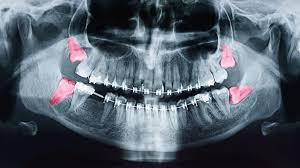
Panoramic X-Ray showing Wisdom Teeth in Pink

Teeth become crooked after orthodontic treatment for a few reasons. The main reason is lack of retainer wear. Research has shown that orthodontic retainers are the only way to keep the teeth in their new position after treatment and keep tooth movement to a minimum. Without retainers, the teeth will begin to shift and become crooked. Just like anything else in the body, teeth change over time, and maintenance is necessary. Keeping the teeth straight after braces requires wearing retainers for as long as you want them to stay straight.

Another factor that over time can lead to shifting of teeth is what is known as late mandibular growth. Put simply, there is a very small amount of lower jaw growth that happens in the late teens and twenties that puts a slight force on the lower teeth pushing them forward and upward very slightly into the back of the top teeth. Over time, this extra force or pressure can cause crowding of previously straight teeth.

Research at the University of Iowa showed that wisdom teeth can not exert pressure on the front teeth to cause them to become crooked. The way this was discovered was by using sensors that compared the pressure with wisdom teeth and without wisdom teeth. What they found was that there was no difference. Research also compared the amounts of crowding in children after braces with and without their wisdom teeth. There was no difference in the amounts of crowding, suggesting that wisdom teeth do not play any factor in crowding, or shifting of the teeth after orthodontics.

While everything in the body changes over the course of time, when it comes to maintaining the position of the teeth, the most important thing is to continue wearing your retainers for as long as you want the teeth to remain straight. The wisdom teeth do not play a role in cause the teeth to shift.

Community Spotlight: Crystal River, Florida

February 5th, 2024

Nestled along the serene Nature Coast of Florida, Crystal River isn't just a scenic gem—it's home to a vibrant community we are privileged to serve at Strouse Orthodontics. At our orthodontic practice, we're more than just dental professionals; we're your neighbors, friends, and partners in achieving the smiles you've always dreamed of. Join us as we explore the unique charm of Crystal River and how our local orthodontic practice is making a positive impact on the community.

Crystal River takes pride in being the home of the stunning Three Sisters Springs and Crystal River Preserve State Park, where manatees seek refuge in the warm waters. Known as the "Manatee Capital of the World," Crystal River offers a unique opportunity for residents and visitors to witness these gentle giants in their natural habitat. Crystal River is celebrated for its scalloping season, where locals and tourists alike embark on exciting underwater adventures to harvest the delectable bay scallops. This annual tradition adds a culinary delight to the city's vibrant tapestry, bringing people together to savor the treasures of the Gulf. Beyond its aquatic treasures, Crystal River captivates with its historic charm, vibrant community spirit, and a plethora of recreational activities, making it a sought-after destination for those seeking a perfect blend of nature, history, and local warmth. As your trusted orthodontic provider, we are committed to helping you achieve a smile that matches the radiance of Crystal River's landscapes.

Our commitment to Crystal River goes beyond just the confines of our practice. We actively participate in local events, sponsor community initiatives, and collaborate with schools to promote oral health awareness. By being an active part of the community, we strengthen our bonds and create a positive impact on the lives of Crystal River residents.

While we celebrate the uniqueness of Crystal River, our orthodontic practice brings world-class expertise to your doorstep. Dr. Strouse and our team of skilled professionals combines local warmth with global knowledge, ensuring that you receive the best possible orthodontic care without having to travel far. Our office utilizes both braces and Invisalign, for you to achieve a smile to be proud of, in a way that best fits your lifestyle! Your smile journey is our priority, and we are dedicated to providing top-notch treatment right here in Crystal River.

We understand the diverse needs of Crystal River families, and we are committed to making orthodontic care accessible to all. Our practice offers flexible payment options, family-friendly scheduling, and affordable treatment plans, ensuring that every member of the Crystal River community can achieve a healthy and beautiful smile.

Case of the Month: February 2024

February 2nd, 2024

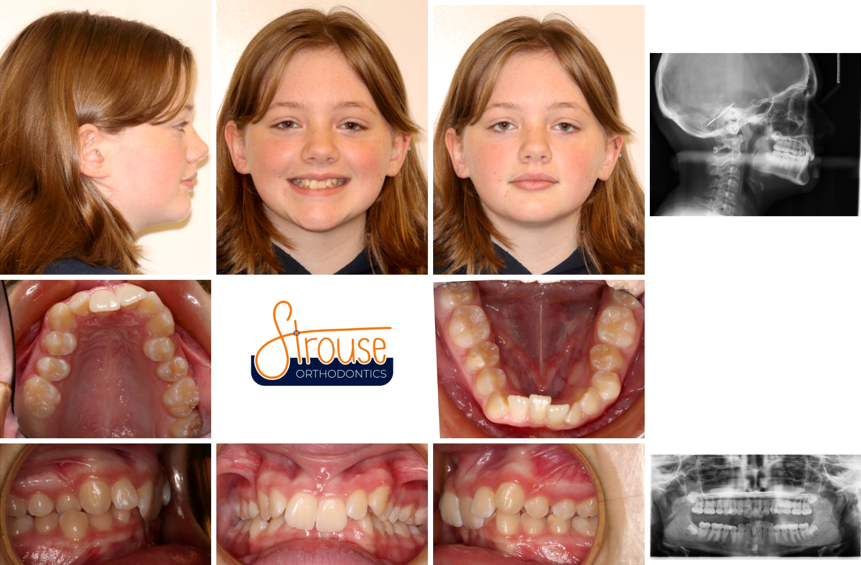
Age: 15.5

Treatment Duration: 20 months 

Before Treatment:

This patient came to our office looking to improve the crowding of her teeth. Before treatment she had a narrow smile, severe overbite, severe crowding, class 2 bite (when the upper jaw and/or teeth are ahead of the bottom jaw and/or teeth), narrow arches, retroclined (leaning back) incisors and a posterior crossbite on the right side.

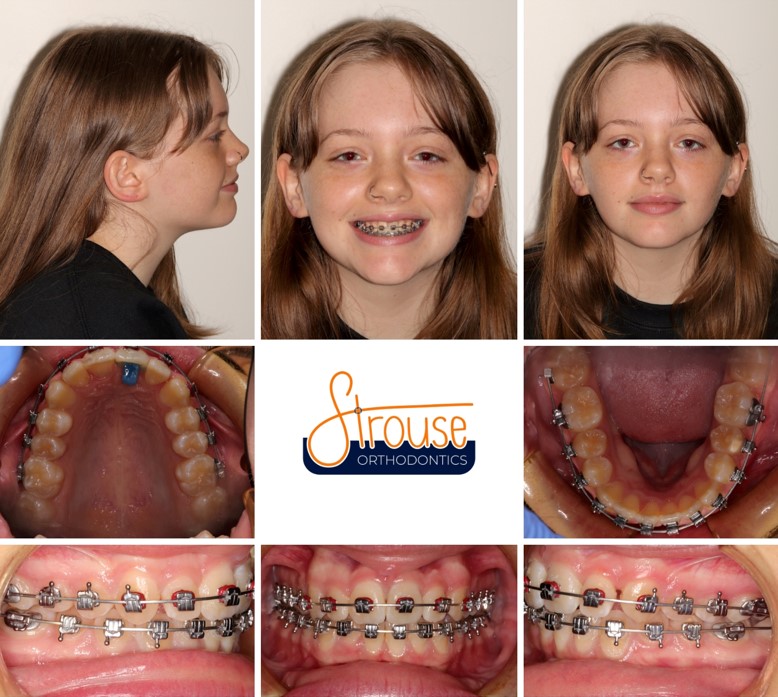
Treatment Journey:

Our patients treatment plan involved upper and lower braces,the use of rubber bands, and anterior bite turbos. Anterior bite turbos are small ramps bonded to the inside of the upper front teeth(seen in blue here). They prevent the top teeth from excessively overlapping the bottom teeth. They are used to prevent breakage of the lower braces as well to allow the teeth to move more freely and for bit correction. Treatment for this case took just over a year and a half.


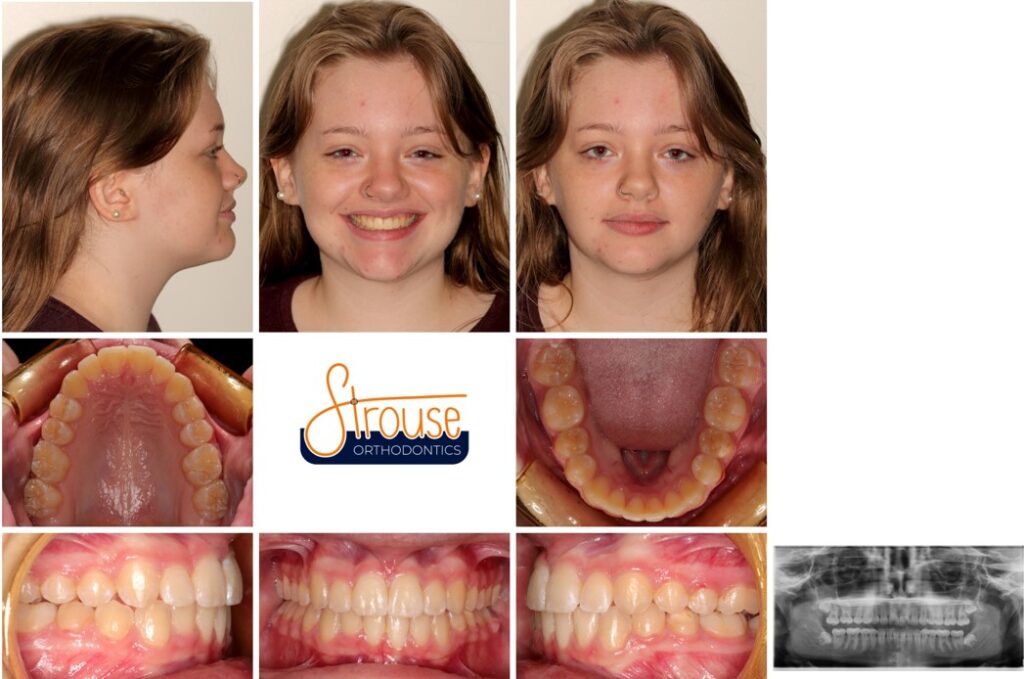
After Treatment:

In this amazing transformation we were able to correct all of the pre-existing orthodontic concerns, improving the overbite, correcting the class 2 to a class 1 proper bite, eliminating the crowding, aligning the midlines, and widening and broadening the smile. Our awesome patient was extremely diligent using the prescribed rubber bands. Treatment was completed in just 20 months.

Orthodontics can not only play a pivotal role in optimizing both oral health and functional well-being, but more importantly can elevate one's self-confidence. Our practice is committed to serving patients of all ages and embraces the belief that it's never too late to embark on the journey to your dream smile.

We invite you and your family to reach out to our office to schedule a complimentary consultation. Allow me the privilege of discussing the orthodontic solutions tailored to your unique needs. Your journey to your dream smile begins with an orthodontic specialist! We see patients from Hernando and Citrus County in areas such as Spring Hill, Brooksville, Crystal River, Lecanto, Beverly Hills, Inverness, and all surrounding areas.

Dr. Strouse

Do I Still Have an Overbite?

January 29th, 2024

One common question I receive as an orthodontist is about overbites. I will answer some of the most common questions and review some terminology.

What is an Overbite?

An overbite is the vertical overlap of the top front teeth over the bottom front teeth. The truth is that it is completely normal to have somewhat of an overbite. We need to have an overbite in order to properly chew our food. If there was no overlap of the teeth, they would hit each other when you bite down which can lead to chipping of the teeth and premature wear of the enamel. Typically somewhere between 20-40% overlap is a relatively "normal" overbite. This can vary based on the patient. The overbite is generally considered excessive when it is more than 50% which is when it may cause issues.

What Can an Overbite Lead to?

  • Excessive tooth wear
  • Headaches
  • Speech issues
  • Tooth chipping
  • Gum disease due to difficulty cleaning between the teeth
  • Temporomandibular Joint Disorder (TMD)

Overbite vs. Overjet

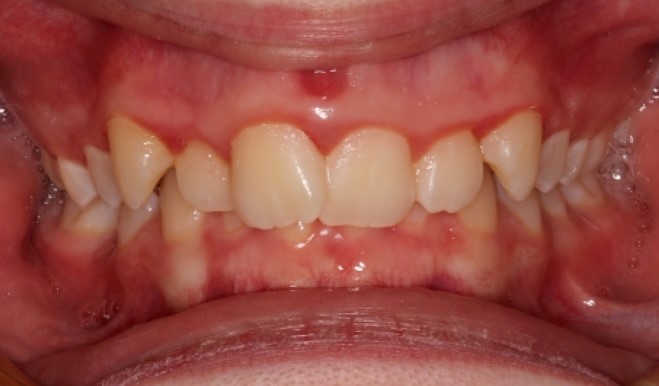
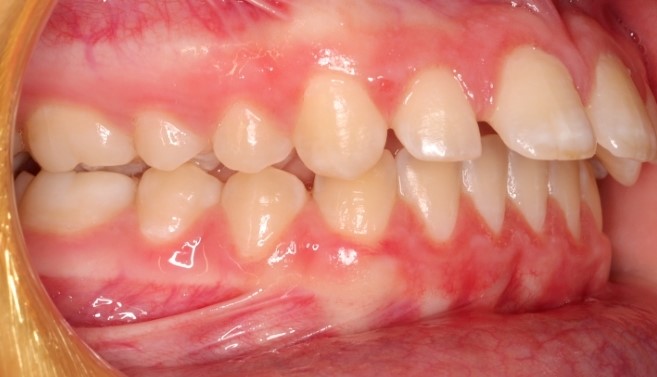
These two terms are often used interchangeably, however they are two separate conditions. An overbite refers to the vertical overlap of the front teeth, while overjet refers to the horizontal distance between the top and bottom front teeth. Patients that have excessive overjet, have top front teeth that protrude or flare out. These is often referred to as "buck teeth". You can have both excessive overjet and excessive overbite, however they are two separate conditions. Many patients that are concerned that their front teeth stick out refer to their concern as an "overbite".

Excessive Overbite(vertical overlap)

Excessive Overjet(horizontal overlap)

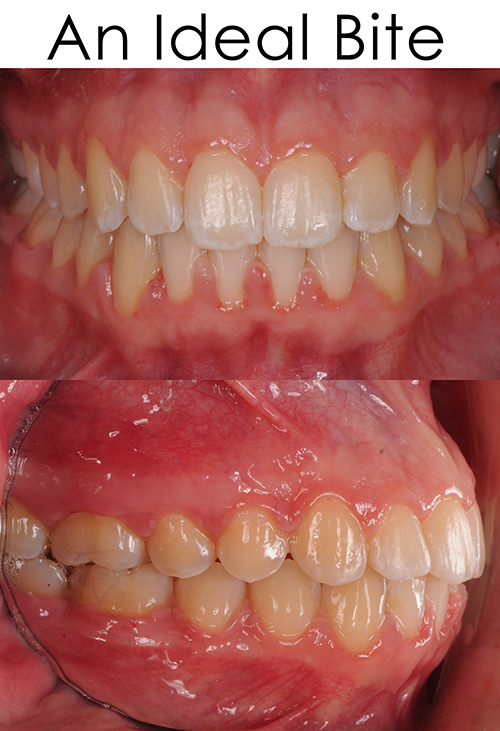
Ideal Bite

What Causes an Overbite

An excessive overbite can be caused by many different factors such as

  • Genetics
  • Smaller lower jaw
  • Habits such as Thumb sucking, lip sucking, tongue thrusting
  • Abnormal tooth eruption

How Can an Overbite be Treated?

The treatment for an overbite depends on many factors depending on the original presentation. Please call our office for a free consultation to make the first steps to determining what is the best option for you!

  • Braces
  • Invisalign
  • Appliances: Some appliances can be used either alone or in combination with braces or Invisalign to correct an overbite
  • Surgery: if the jaw misalignment is very severe, surgery may be necessary and an oral surgeon will reposition the jaws in order to achieve a proper bite position. This is done in combination with orthodontic treatment.

FAQ's

Is having somewhat of an overbite normal?
Yes, there should be some overlap of the upper front teeth compared to the lower front teeth

What amount of an overbite is normal?
Generally 20-40% of overbite as a general rule can be considered normal

NOTE: The author, Dr. Eric Strouse DMD MDS is a specialist in orthodontics in the practice of orthodontics in Spring Hill and Lecanto, Florida. He was trained at Muhlenberg College for his Bachelors Degree where he competed on the track and field team. He completed his dental training at the University of Connecticut School of Dental Medicine, earning a Doctorate of Medicine in Dentistry(DMD). He completed a one year General Practice Residency at St. Luke's Hospital in Allentown, PA and his specialty training in Orthodontics and Dentofacial Orthopedics at Rutgers University where he also completed a Masters in Dental Science. Dr. Strouse has been published in the Sri Lankan Journal of Orthodontics and has written several articles for Dental Economics. Dr. Strouse is an expert in two-phase orthodontic treatment, phase 1 interceptive treatment, extraction and non-extraction treatment, Invisalign clear aligners, and multiple bracket systems(custom braces, self ligating braces, conventional braces). This blog is for informational purposes only.

Will I Need Impressions?

January 25th, 2024

Gone are the days of messy and uncomfortable orthodontic impressions, thanks to the advent of digital orthodontics. Our office does not use any traditional dental impressions and all models of the teeth are taken digitally in a quick and comfortable fashion.

The Downside of Traditional Impressions

Traditional orthodontic impressions involve using a putty-like material placed in a tray that is then pressed into your mouth to capture the shape and size of your teeth and gums. While this technique has been effective for many years, it comes with several downsides:

1. Discomfort: Orthodontic impressions can be uncomfortable, causing gagging sensations and discomfort in some patients.

2. Messy: The putty used in impressions can be messy, leading to some patients feeling anxious or uneasy during the procedure.

3. Time-Consuming: Traditional impressions may require multiple attempts to achieve accurate results, which can be time-consuming for both the patient and the dentist.

4. Material Storage: Orthodontic offices need to store physical impression molds, which can take up valuable space and require maintenance over time.

Our Digital Approach: Say Goodbye to Impressions

At our cutting-edge orthodontic office, we have fully embraced the power of digital orthodontics. Instead of relying on traditional impressions, we use state-of-the-art intraoral scanners to capture highly detailed 3D images of your teeth and gums. These scans provide us with precise digital replicas of your mouth, enabling custom treatment plans with unmatched accuracy. We also use these digital impression to 3-D print models to fabricate retainers. 

Advantages of Digital Orthodontics

1. Comfortable Experience: With our intraoral scanners, you can bid farewell to the discomfort and gagging associated with traditional impressions. The scanning process is non-invasive and allows for a more comfortable experience during your orthodontic visits.

2. Time-Efficient: Digital scans significantly reduce chair time, as there is no need for multiple attempts to get an accurate impression. This means fewer visits to the orthodontic office and quicker treatment planning.

3. Enhanced Precision: The digital scans provide detailed and precise images, allowing our dentists to create custom restorations that fit perfectly and deliver optimal results.

4. Environmentally Friendly: By eliminating the need for physical impression materials, our fully digital approach contributes to a more eco-friendly orthodontic practice.

5. Improved Communication: Digital scans can be instantly shared and stored in our computer systems, facilitating seamless communication with our orthodontic laboratory partners if needed.

At our digital orthodontic office, patient comfort and satisfaction are our top priorities. By embracing cutting-edge technology, we have eliminated the need for traditional impressions and the associated discomfort, mess, and inconvenience. Our intraoral scanners allow for a faster, more precise, and environmentally friendly orthodontic experience, leading to superior outcomes for our patients.

So, if you've been dreading the thought of orthodontic impressions, fear not! We see patients from Hernando and Citrus Counties in areas such as Spring Hill, Brooksville, Lecanto, Crystal River, Inverness, Beverly Hills and all surrounding areas. Schedule your appointment with us and experience the benefits of digital dentistry firsthand. Embrace the future of orthodontic care and let us take care of your oral health with our state-of-the-art, impression-free approach. Your smile deserves the best, and at our digital office, we're committed to providing you with exceptional orthodontic care, minus the impressions!

When Are Two Phases of Treatment Necessary?

September 7th, 2012

Usually patients in orthodontic treatment already have their permanent teeth – they are pre-teens, teens and adults. But in some cases we have to start treatment earlier, even before the patient’s permanent teeth come in. We call this “two-phase treatment.”

When we have patients with clear developmental problems at an early age, it’s best to start work when they are young, before the problems get bigger and more difficult to treat.

Examples include:
• An upper or lower jaw that is not growing correctly
• A mouth growing in a way that doesn’t leave enough room for all the permanent teeth to come in
• A severe malocclusion, or bad bite, which means the jaw doesn’t fit together correctly

In these cases we will start early and do one round of treatment – phase one – while the patient still has their baby teeth. Phase one usually does not involve braces, but can include a different type of appliance that helps the jaw grow into place properly. We’ll follow up with phase two usually a few years later, when permanent teeth are in place. Generally phase two involves braces.

In order to catch early problems, we recommend that children have an orthodontic check-up no later than age seven (and so does the American Association of Orthodontists). However, if your dentist or pediatrician sees any sign that early treatment might be necessary, he or she may recommend your child visit our office even sooner.

Orthodontic Emergency? We can help!

June 18th, 2012

True orthodontic emergencies are very rare, but when they do occur we are available to you. As a general rule, you should call the office when you experience severe pain or when you have a painful appliance problem that you can't take care of yourself. We’ll be able to schedule an appointment with our office.
You might be surprised to learn that you may be able to temporarily solve many problems yourself until you get in to see us…

The following solutions may help you relieve your discomfort:

Poking Wire: Using a pencil eraser, push the poking wire down or place wax on it to alleviate the discomfort.
Loose Bracket or Band: If your bracket or band is still attached to the wire, you should leave it in place and put wax on it. If the wire comes out entirely, wrap the bracket with a tissue.
Loose Wire: Using a tweezers, try to place your wire back into place. If doing this and using wax does not help, as a last resort use a small fingernail clipper to clip the wire behind the last tooth to which it is securely fastened. If your discomfort continues, place wax on it.
Loose Appliance: If your appliance is poking you, place wax on the offending part of your appliance.
Headgear Does Not Fit: Sometimes headgear discomfort is caused by not wearing the headgear as instructed by your orthodontist. Please refer to the instructions provided by your orthodontist. If the facebow is bent, please call our office for assistance. Surprisingly, headgear becomes more comfortable the more it's worn, so be sure you’re getting in the prescribed hours.
General Soreness: When you get your braces on, you may feel general soreness in your mouth and teeth may be tender to biting pressures for three to five days. This can be relieved by rinsing your mouth with a warm salt water mouthwash. Dissolve one teaspoonful of salt in 8 ounces of warm water, and rinse your mouth vigorously. If the tenderness is severe, take aspirin or whatever you normally take for headache or similar pain.

Remember, after alleviating your discomfort, it is still very important that you call our office as soon as possible to schedule a time to repair the problem.

Making Your Life Better with Orthodontics

June 11th, 2012

The number one goal of orthodontic treatment is to give you or your child a good bite, meaning straight teeth that work well with the teeth in the opposite jaw. A good bite makes it easier for you to eat, chew and speak. It can enhance your dental health and your overall health, and may well improve your self-esteem. As a part of your comprehensive dental health care plan, orthodontic treatment can help you retain your teeth—and your smile—for a lifetime.
Let your smile express yourself! Nothing can show the world how happy you are quite like a beautiful smile. In fact, it’s one of the first things others notice about you, too. With orthodontics, you can be proud to flash your smile, because you’ll know that your smile truly represents your positive attitude.
Make your mouth healthy! Straight teeth aren’t just pretty, they’re healthy as well. Teeth that are properly aligned are easier to clean, reducing the amount of plaque buildup and risk for gingivitis. The cleaner you keep your teeth, the longer they’ll last!
Feel free to live your life! Orthodontics is easier today than ever before, with treatment options that fit your lifestyle and schedule. We can personalize your treatment to suit all of your needs!

June marks National Dairy Month!

June 6th, 2012

In honor of June Dairy Month, our team would like to thank all of our hard working families in the Dairy Industry.

In fact, dairy is important to your overall health! A 2008 study from the American Academy of Periodontology (AAP) found that regular consumption of dairy products, such as milk, cheese and yogurt, can lower your chances of contracting periodontal disease (also known as gum disease).

Results of the study show that adults who consume at least 55 grams of lactic acid a day are less at risk for gum disease. Eating dairy is not just healthy for building strong bones, but is essential for maintaining a strong, healthy mouth.

Questions about which foods you should steer clear of and which you should enjoy during orthodontic treatment? Give us a call or ask us on Facebook!

“Am I Too Old for Braces?”

May 16th, 2012

Absolutely not! Orthodontic treatment for adults is becoming more and more common. In fact, the number of adults getting braces has actually climbed 24 percent since 1996! More adults than ever are realizing that orthodontic treatment is not just for kids, and can help improve the aesthetics and health of a smile of any age! In a society where appearance matters and can help make the difference between getting a job or a promotion, adults are choosing wisely to invest in orthodontic treatment.

Some of the most common reasons our adult patients come to us considering orthodontic treatment include:
• Teeth that are crowded or spaced apart, sometimes as a result of tooth decay or gum disease
• Pain or pressure from crooked teeth or a misaligned jaw
• A bad bite or malocclusion, causing teeth to fit together incorrectly

Most of all though, adult patients come to our office seeking a healthier mouth and a more confident smile! Orthodontic treatment at our office can be successful at any age, and adults especially can appreciate the benefits of a beautiful smile.

As an adult patient, we recognize that you have different needs than our younger patients, and we will work with you to ensure you receive the most appropriate treatment and that your needs are met with understanding and respect from us.

If you’ve been thinking about getting that perfect smile, we would love to have you visit for a consultation. We understand you have a busy schedule, and will work with you to find a time that is convenient for you. Please visit our website or give our office a call to schedule your appointment today!

Welcome to Our Blog!

May 10th, 2012

Thank you for taking the time to visit our blog. Please check back often for weekly updates on fun and exciting events happening at our office, important and interesting information about orthodontics and the dental industry, and the latest news about our practice.

Feel free to leave a comment or question for our doctor and staff – we hope this will be a valuable resource for our patients, their families, and friends!

Back to Top